Shakespeareans gather in Stratford and Verona
The Tsikinya-Chaka Centre was well represented at two major conferences that took place this month. In Stratford-upon-Avon, the fortieth International Shakespeare Conference was hosted by the University of Birmingham’s Shakespeare Institute. Just a few days later, the World Shakespeare Congress - held under the auspices of the International Shakespeare Association and convened by the University of Verona’s Skenè Research Centre - opened in Verona.
TCC director Chris Thurman was fortunate to attend both, and numerous TCC affiliates (Jyotsna Singh, Sandra Young, Hassana Moosa, Amrita Sen, Ayanna Thompson, Ifeoluwa Aboluwade, David Schalkwyk, Carla Della Gatta and Alexa Alice Joubin) were among the hundreds of researchers, teachers and theatre practitioners participating across the two events.
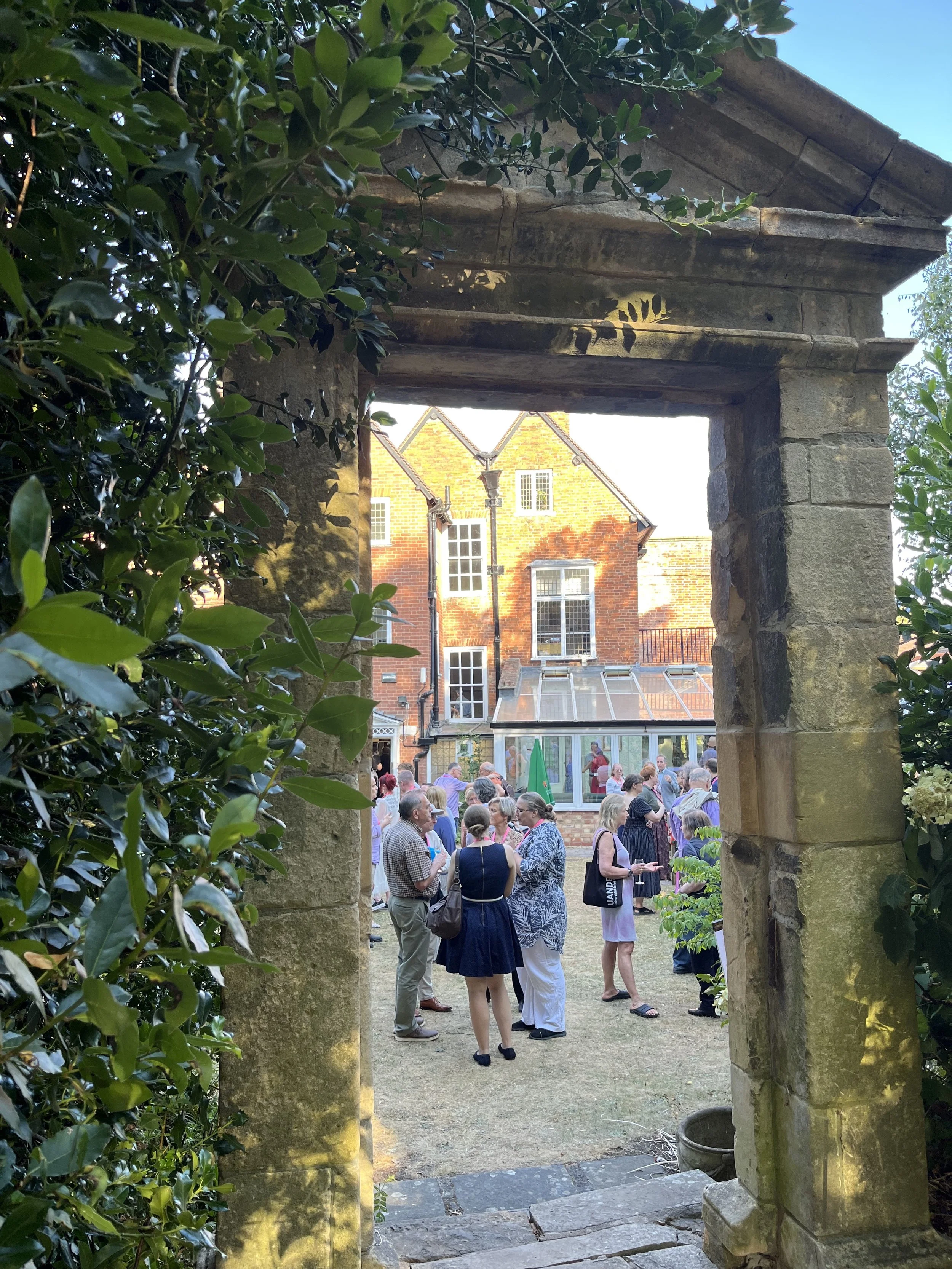
Coffee break at the Shakespeare Institute.
The International Shakespeare Conference (14-17 July)
This hybrid event carried the theme of “Shakespeare, Pleasure and Delight”, with plenary talks and breakaway seminars tackling the topic from varying perspectives: from “the resistant politics of joy” (Vanessa Corredera) to the study of Shakespeare’s clowns (Tiffany Stern), or from the pleasures of sharing “gags, bits and memes” (Tom Bishop) to the pleasures of text and textiles (Hester Lees-Jeffries) and putting the philology of stupidity into practice (Adam Zucker). A panel discussion about the launch of the fourth series of the Arden Shakespeare editions offered insights into the delights - and depths of despair - faced by textual editors. The full programme can be viewed here.
Delegates were treated to a polished and very entertaining performance of Francis Beaumont’s 1607 satire The Knight of the Burning Pestle by Edward’s Boys, the acting company at King Edward VI School (the grammar school attended by Shakespeare). There was also a reception in the garden of New Place to celebrate the 75th anniversary of the Shakespeare Institute. In addition, there were opportunities for touristic visits to other key sites associated with Shakespeare’s life in Stratford: his family home, Anne Hathaway’s cottage and Holy Trinity Church.
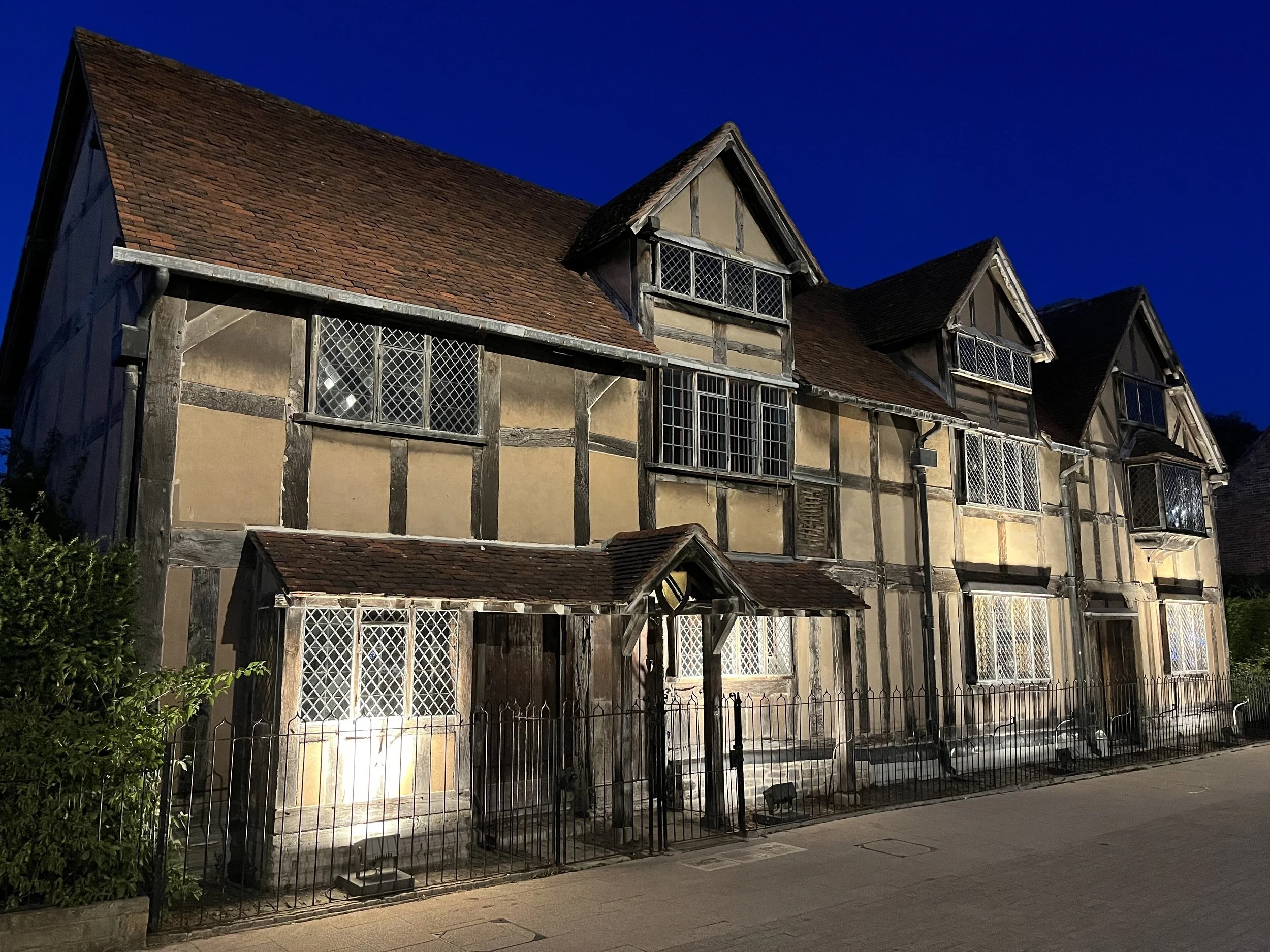
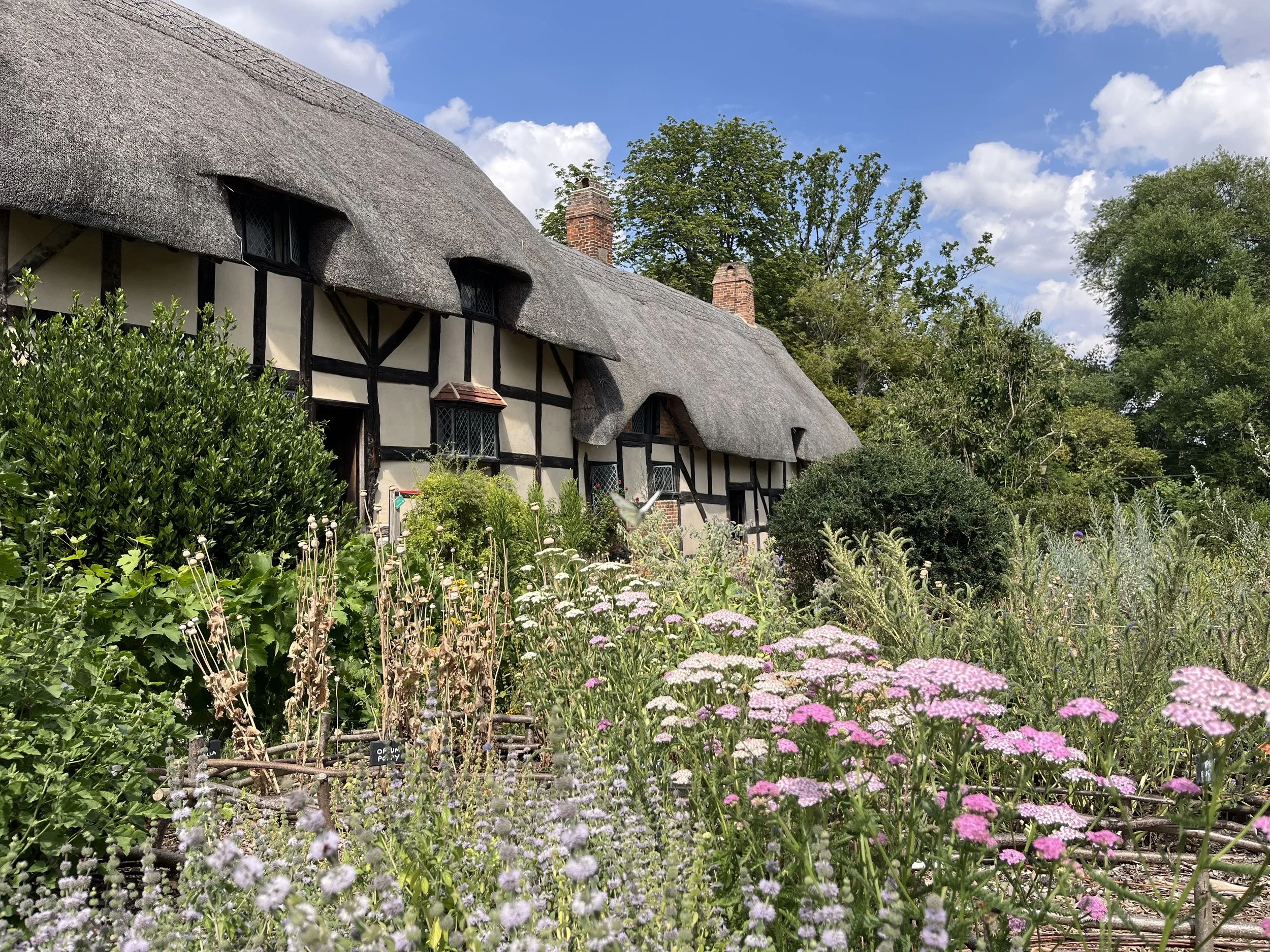
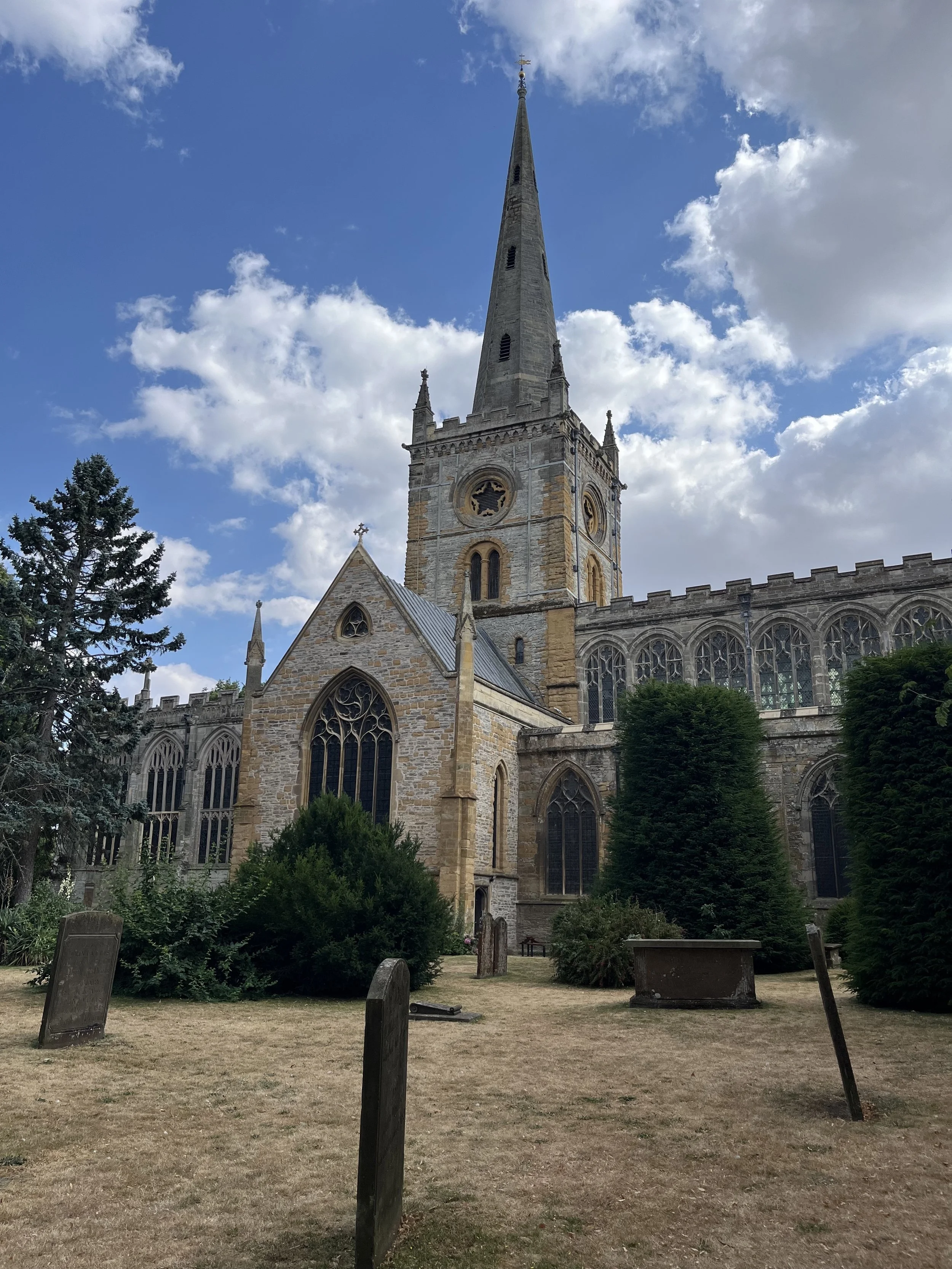
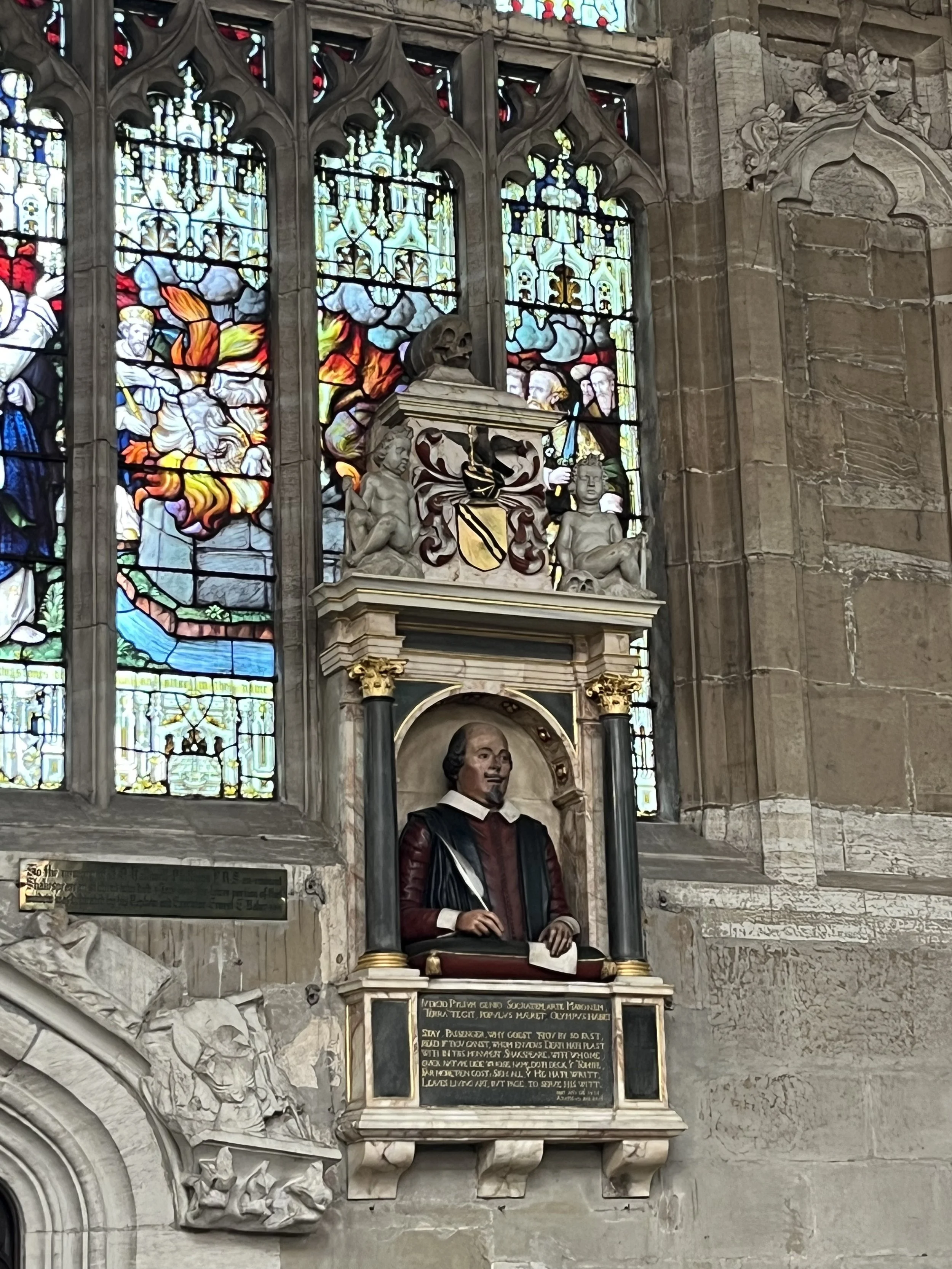
Shakespeare’s Birthplace, Anne Hathaway’s Cottage, Holy Trinity Church and Shakespeare’s funerary monument.
The World Shakespeare Congress (20-26 July)
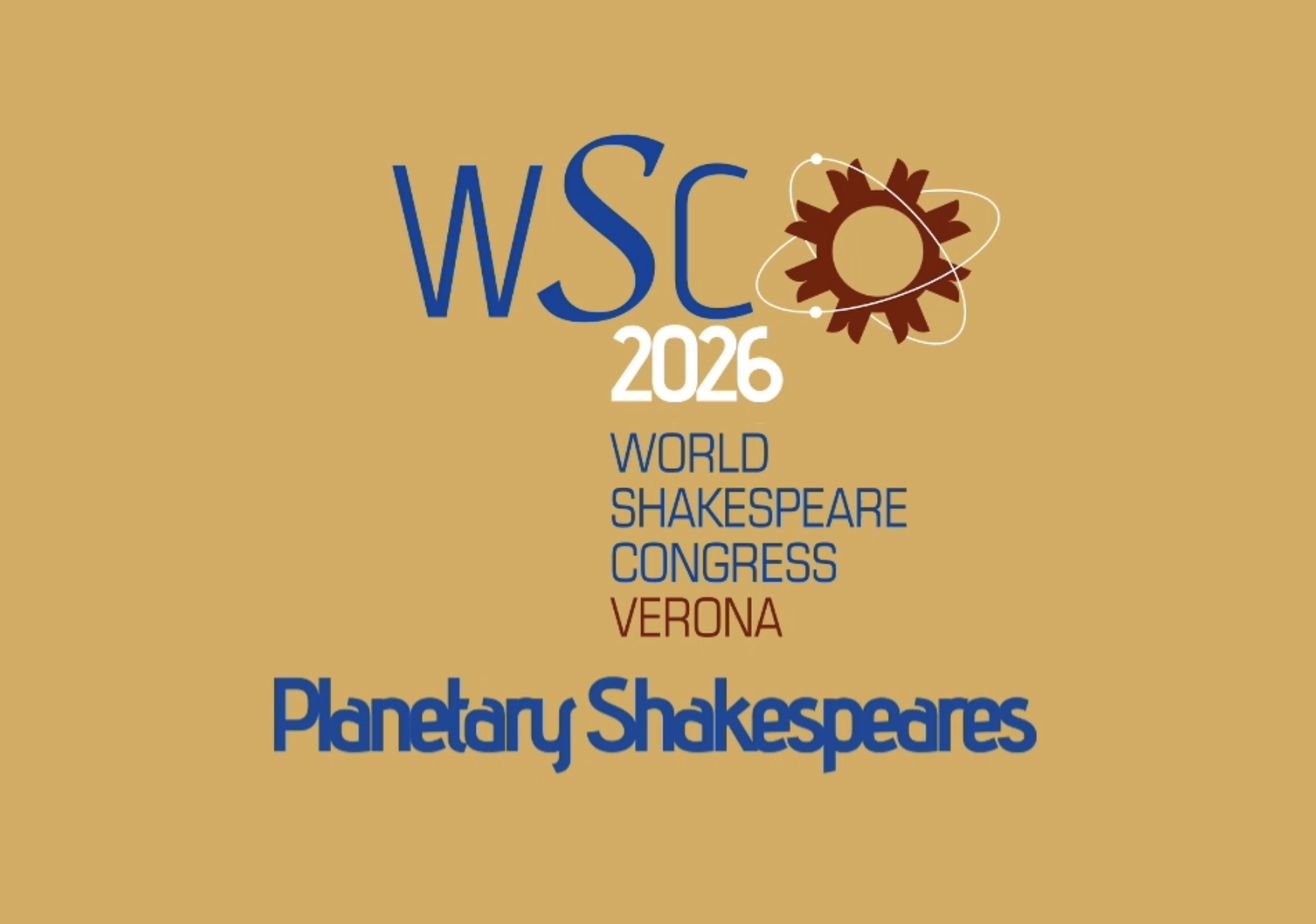
Hundreds of delegates from around the globe travelled to Verona, Italy, for the World Shakespeare Congress. This event is held every five years, and with the 2021 congress taking place online during the COVID pandemic, it had been a decade since the previous in-person WSC. The International Shakespeare Association (ISA) is also celebrating a significant milestone in 2026: its 50th anniversary. The theme of “Planetary Shakespeares” invited contributors to “confront planetary crises and reconsider relations among nature, art and technology, as well as the need to reconfigure our sense of reality both socially and epistemologically”. The Local Organising Committee, headed by Silvia Bigliazzi and her colleagues at the Skenè Research Centre, compiled a rich programme of plenaries, seminars, workshops, artist interviews, book launches and panel discussions (download the book of abstracts here).
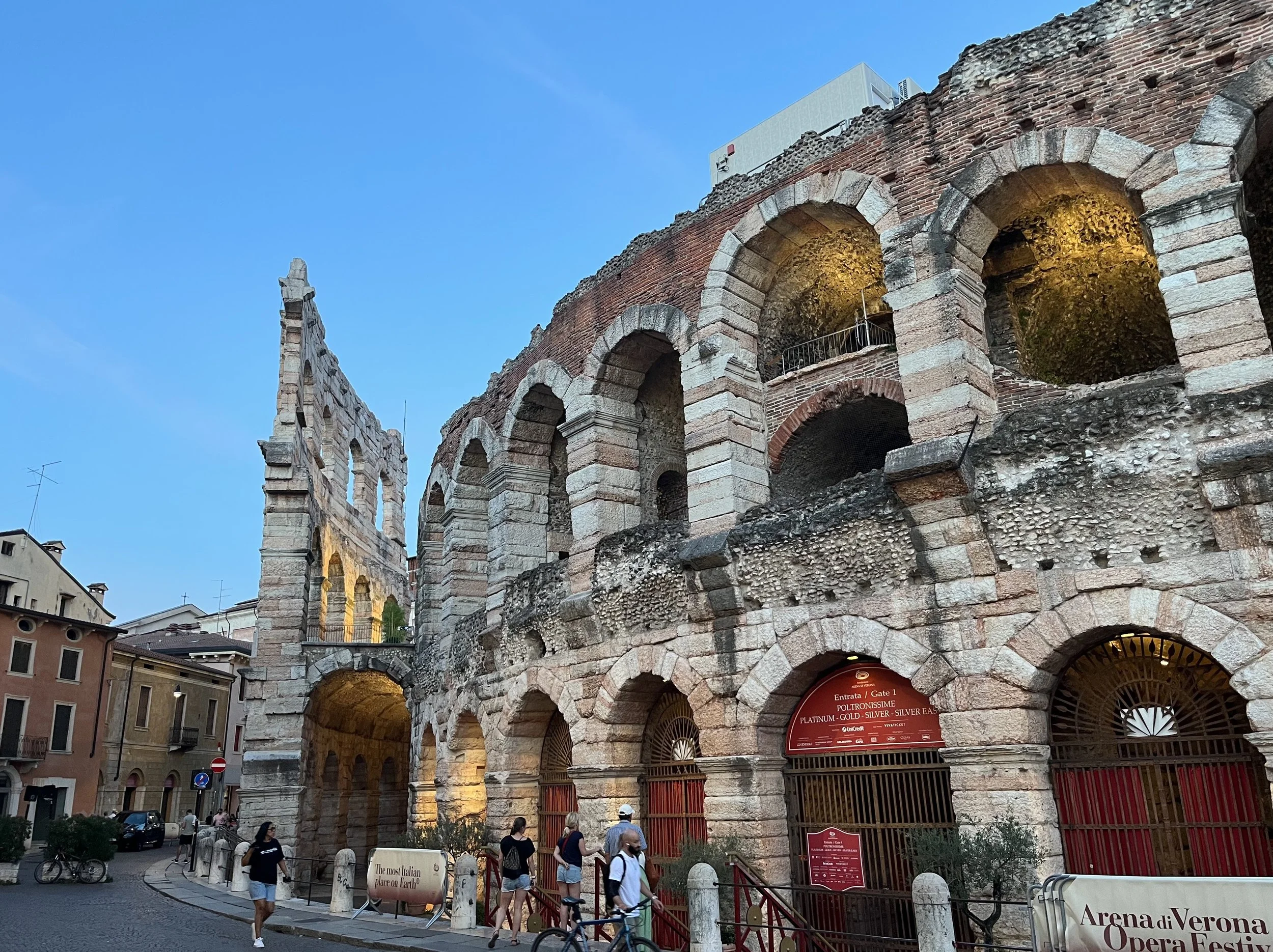
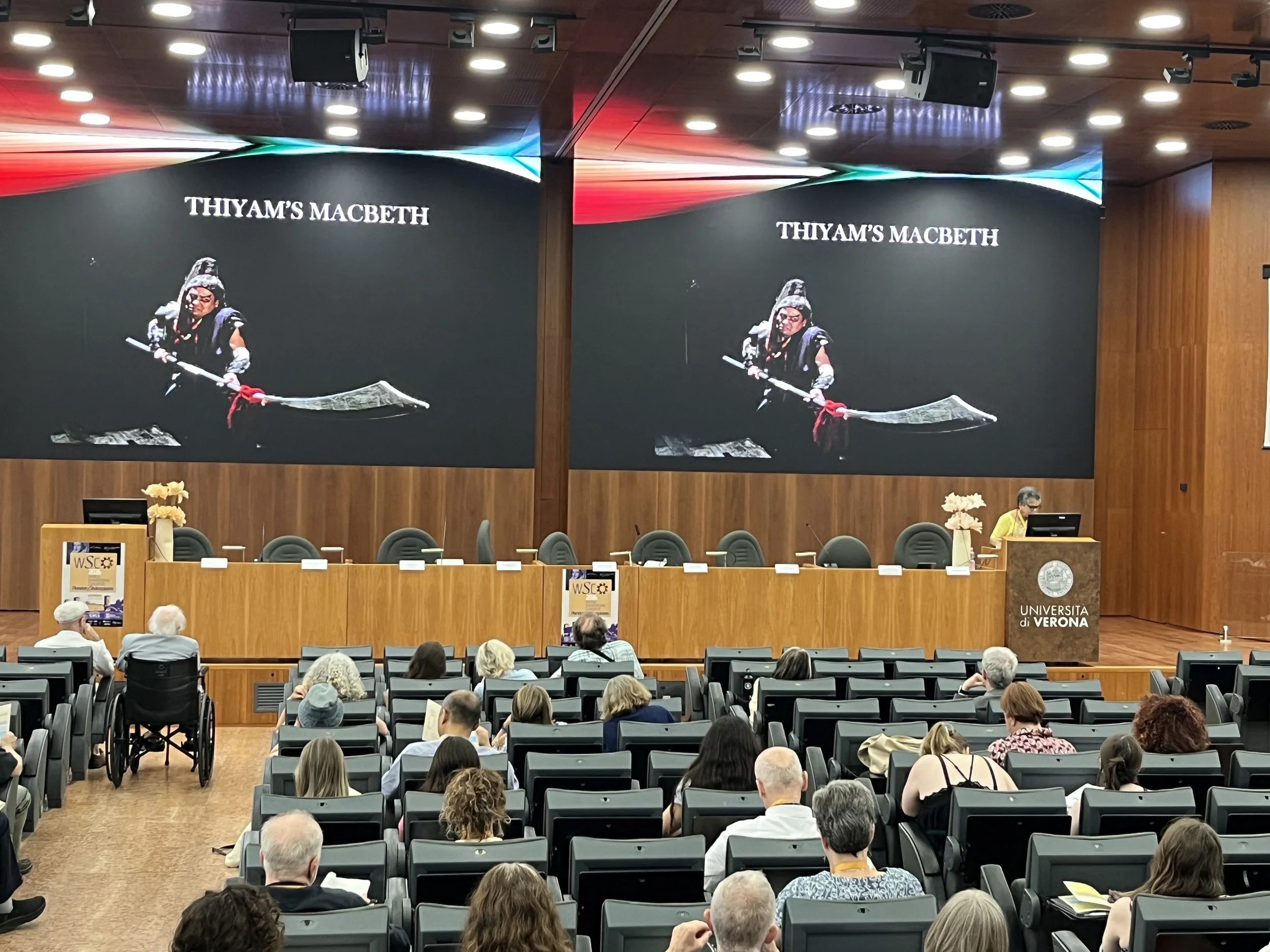
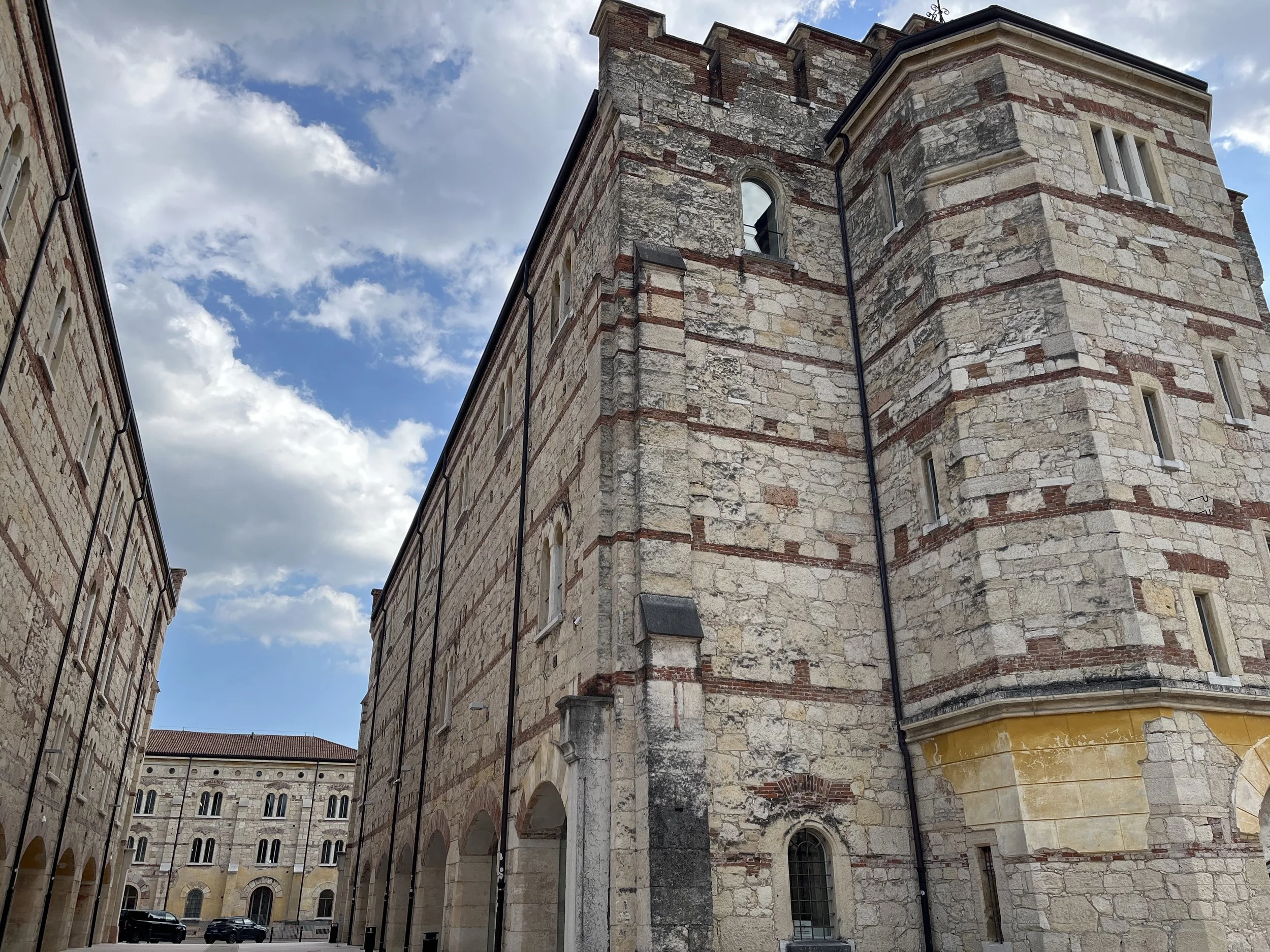
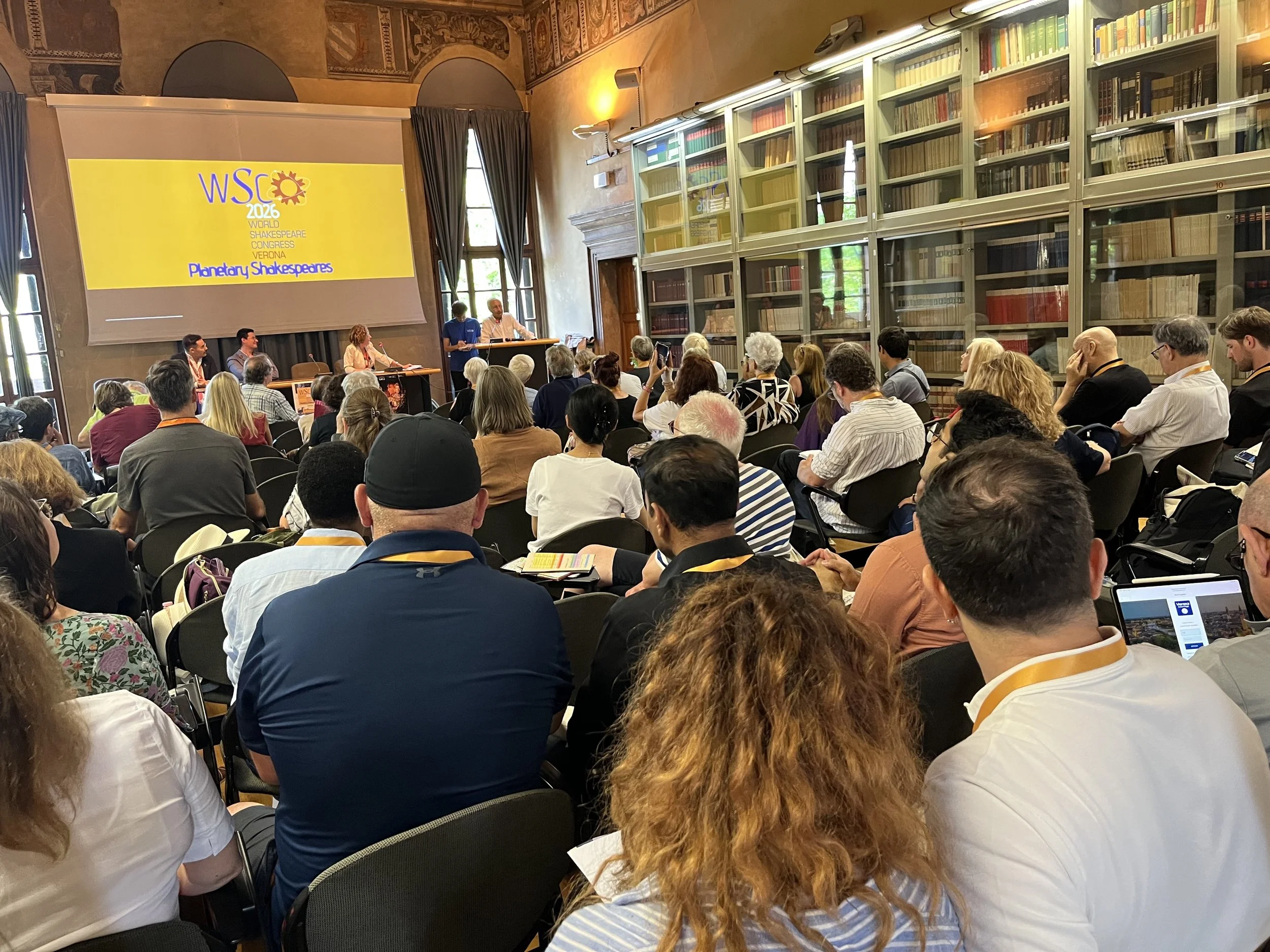
Verona’s Roman Arena; a plenary session at Polo Zanotto; Polo Santa Maria; a panel discussion at Verona’s Museum of Natural History.
There was a strong focus on live performance, with a dozen productions for delegates to attend either as part of the conference programme or on the 2026 Verona Shakespeare Fringe. Among these were Tempest Toss'd, a sea-shanty-filled collaboration between La Ribalta (Italy) and Theatre 63 (UK); a production of Coriolanus by the National Theatre of Bitola (North Macedonia); a workshopped Antony and Cleopatra by V.enice S.hakespeare C.ompany that experimented with multilingualism and directorless Shakespeare; an adapted Midsummer Night's Dream by dance company Kulcsár Noémi Tellabor (Hungary); and Caesar’s Maze: An Infinite Loop by Wu Hsing-Kuo’s Contemporary Legend Theatre (Taiwan), combining Western and Chinese operatic forms in an immersive multimedia experience staged at Verona’s Roman Theatre.
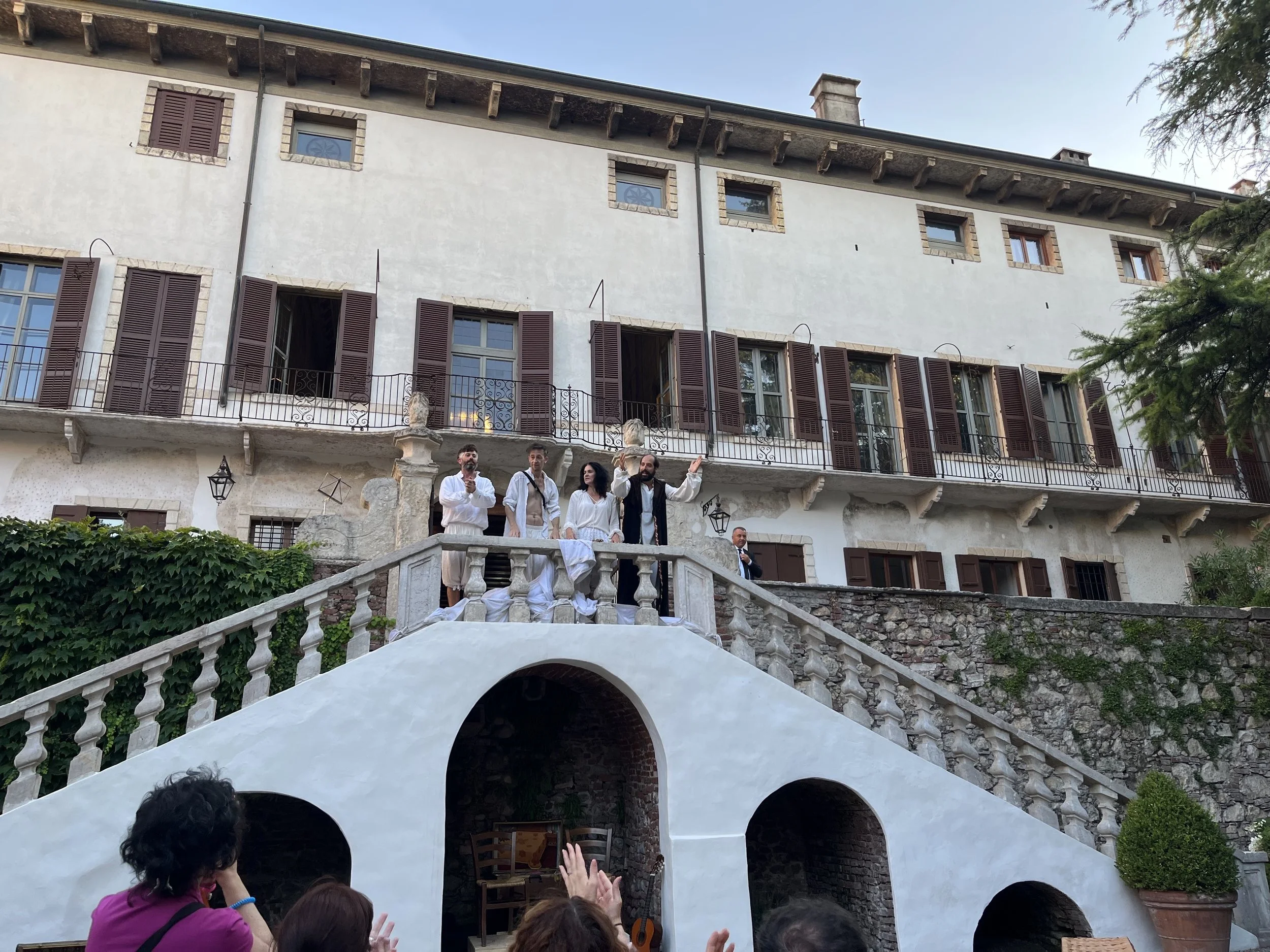
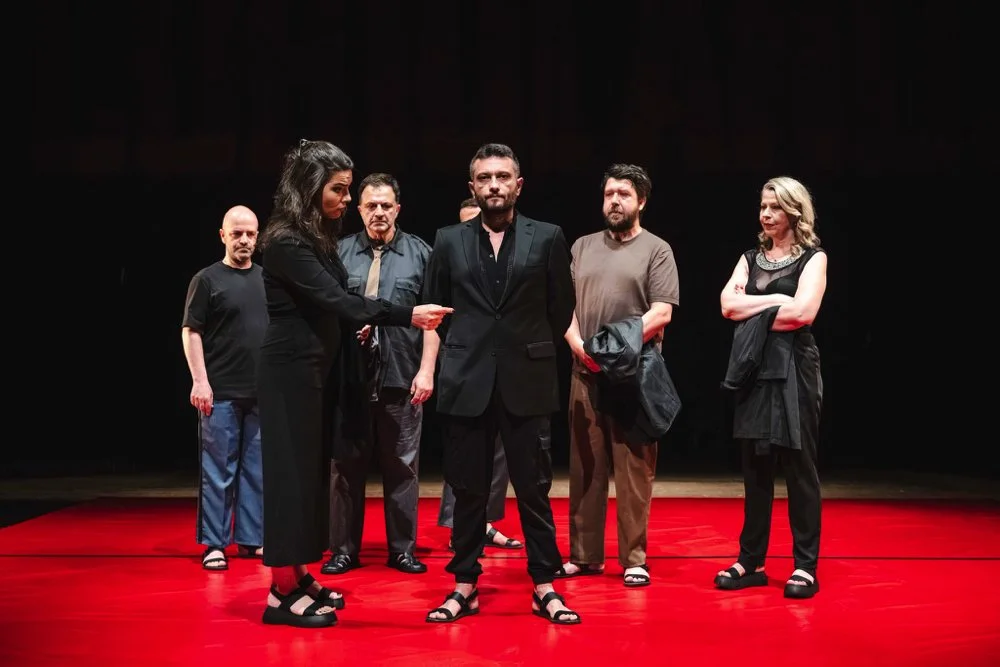
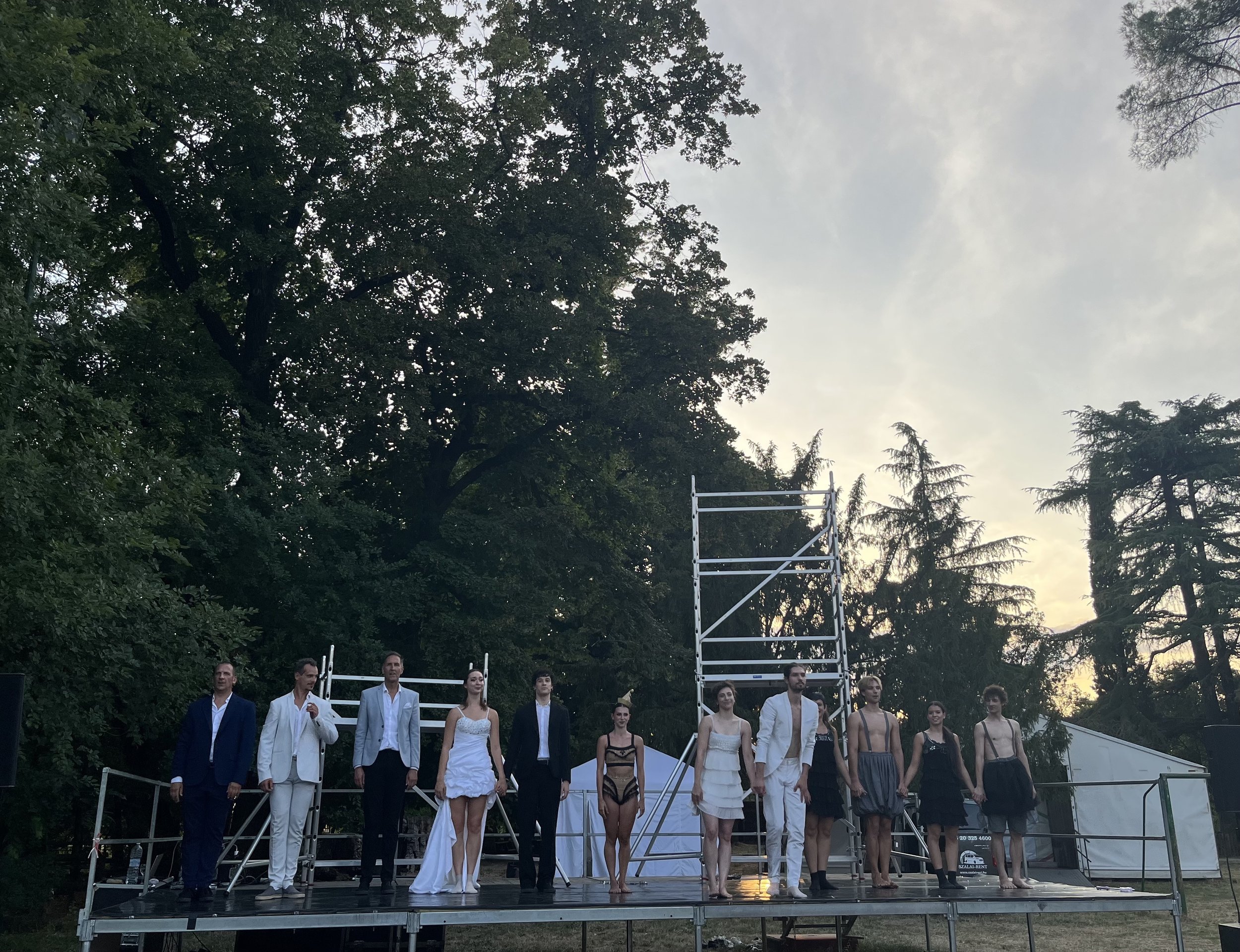
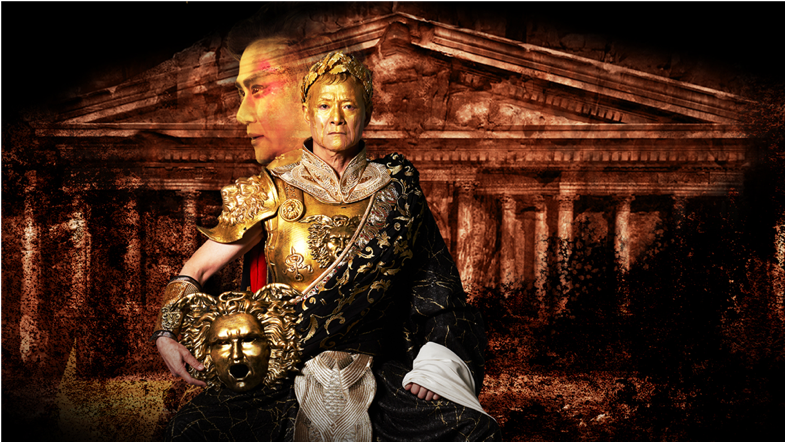
Tempest Toss’d (La Ribalta/Theatre 63), Coriolanus (National Theatre of Bitola), A Midsummer Night’s Dreams (Kulcsár Noémi Tellabor) and Caesar’s Maze (Contemporary Legend Theatre).