Shakespeare NonScenes workshops
On Saturday 16th and 23rd May, groups of school learners in Johannesburg and Cape Town participated in the inaugural Shakespeare NonScenes workshop series. This initiative encouraged young people to engage in discussions about human rights, while exploring well-known speeches from Shakespeare’s plays about discrimination, violence, xenophobia, justice, revenge and mercy. Participants had the opportunity to reflect on their own experiences through writing exercises, and to collaborate on short devised ensemble performances.
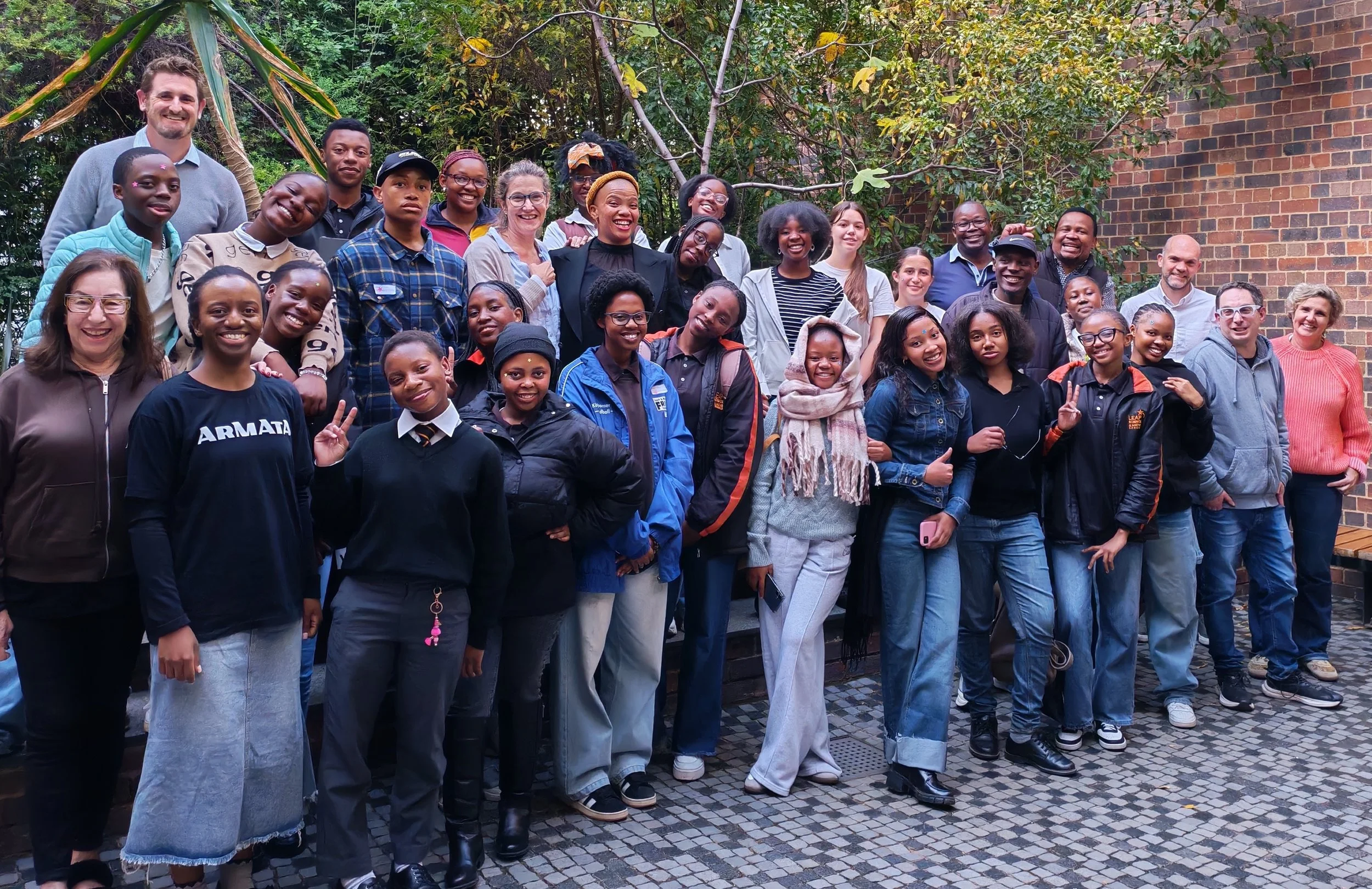
Shakespeare NonScenes participants (Joburg)
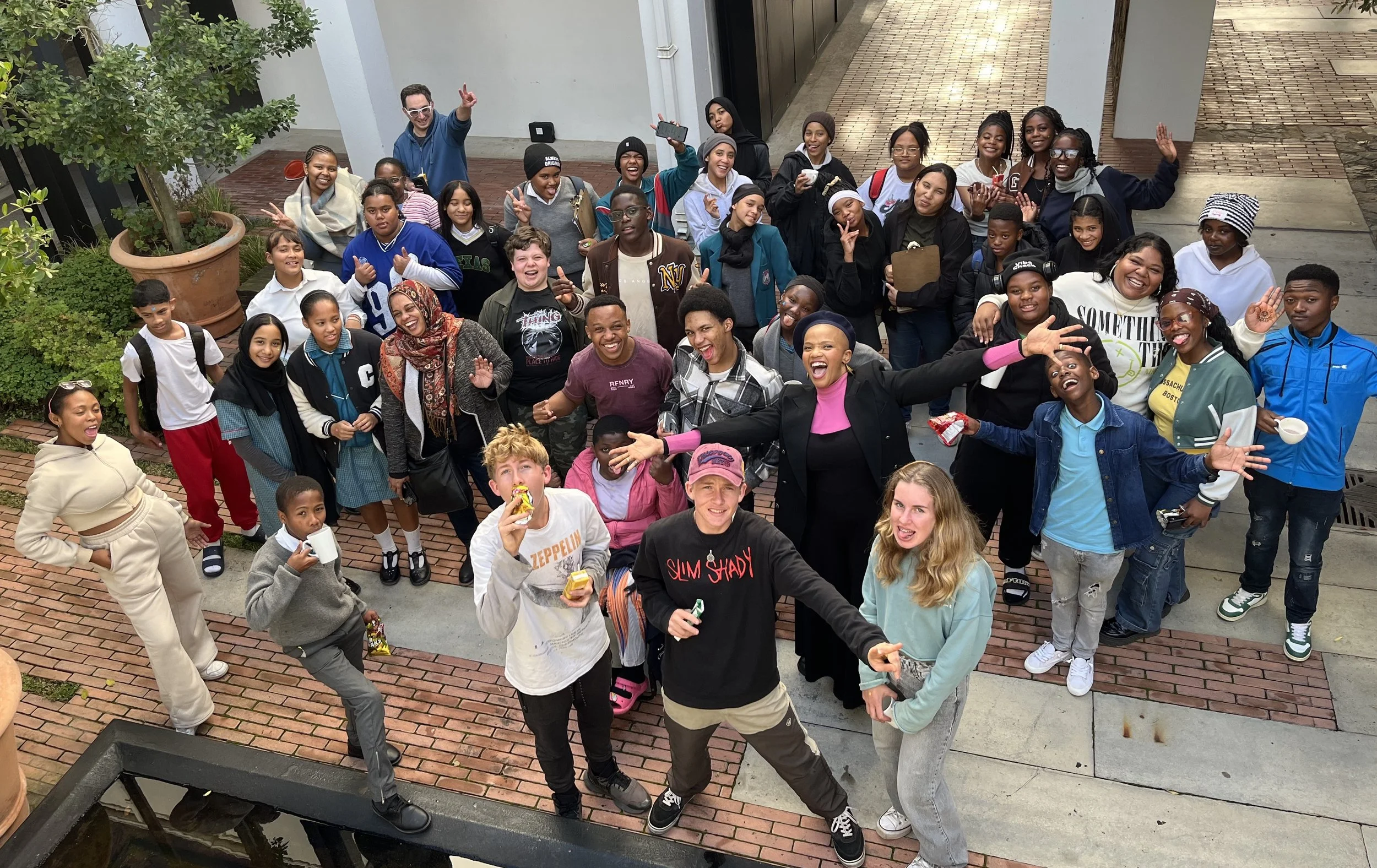
Shakespeare NonScenes participants (Cape Town)
Background
In 2023, Tom Penfold (lecturer at Liverpool John Moores University and a Wits University Research Associate) put forward the idea of “literary non-scenes” in South Africa, arguing for a shift in how poetry is approached in educational settings and promoting the recognition of poems performed in less formal spaces, at open mic nights and at protests or other gatherings. Penfold partnered with fellow Wits Research Associate Adam Levin and Unisa’s Deirdre Byrne (director of ZAPP, the South African Poetry Project) to develop Poetry NonScenes. Out of this grew a series of workshops held in 2024 and an anthology of poems written by school and university students, Poetry Non-Scenes: New performance poems beyond the struggle (uHlanga Press).
In 2025, NonScenes approached Tsikinya-Chaka Centre director Chris Thurman to propose a Shakespeare-oriented extension of the project. The next step was to invite Bianca Amato and Kensiwe Tshabalala, co-founders of The Quickening Theatre Company, to join the team. And so Shakespeare NonScenes was born!
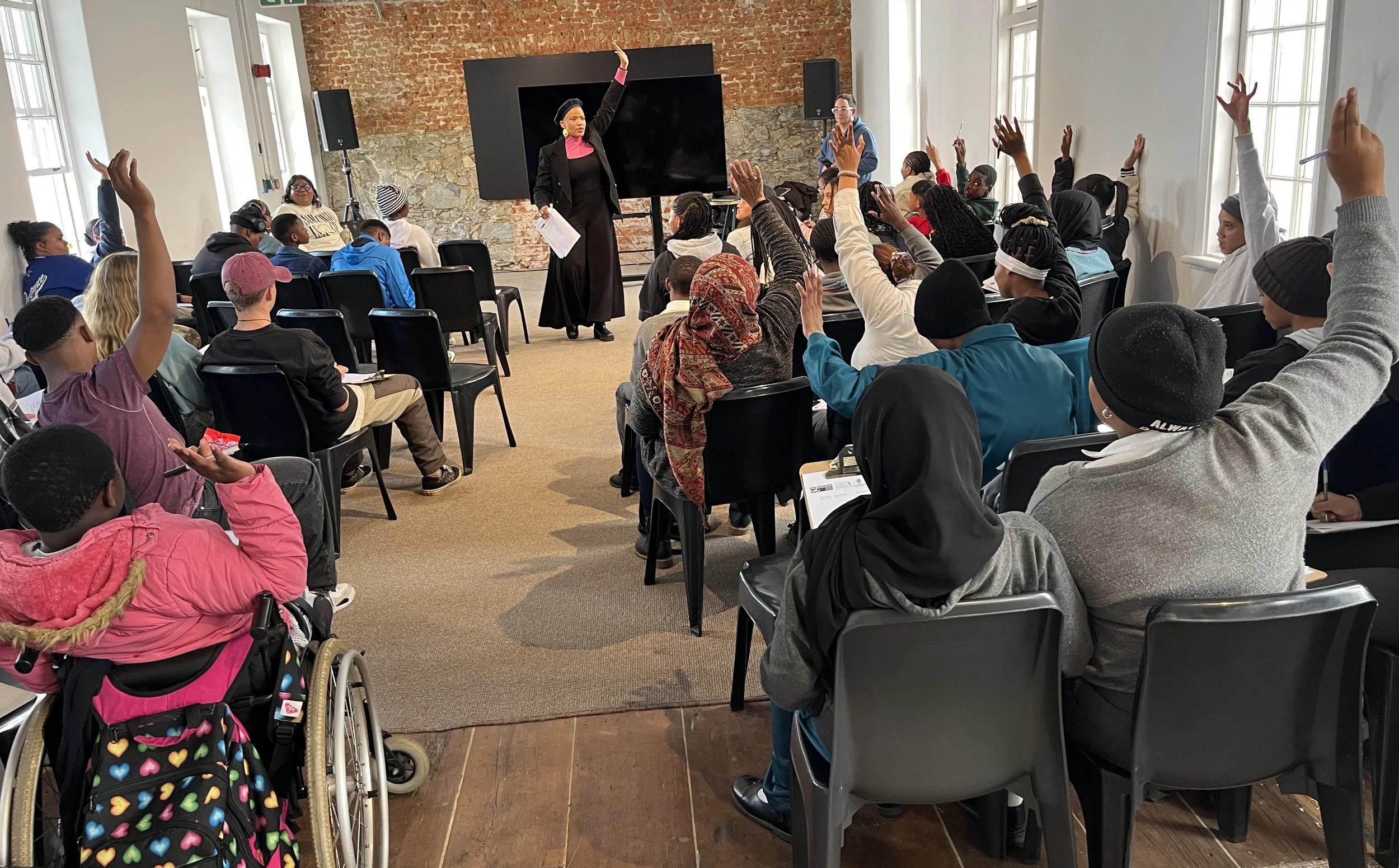
Preparing for group work (Cape Town)
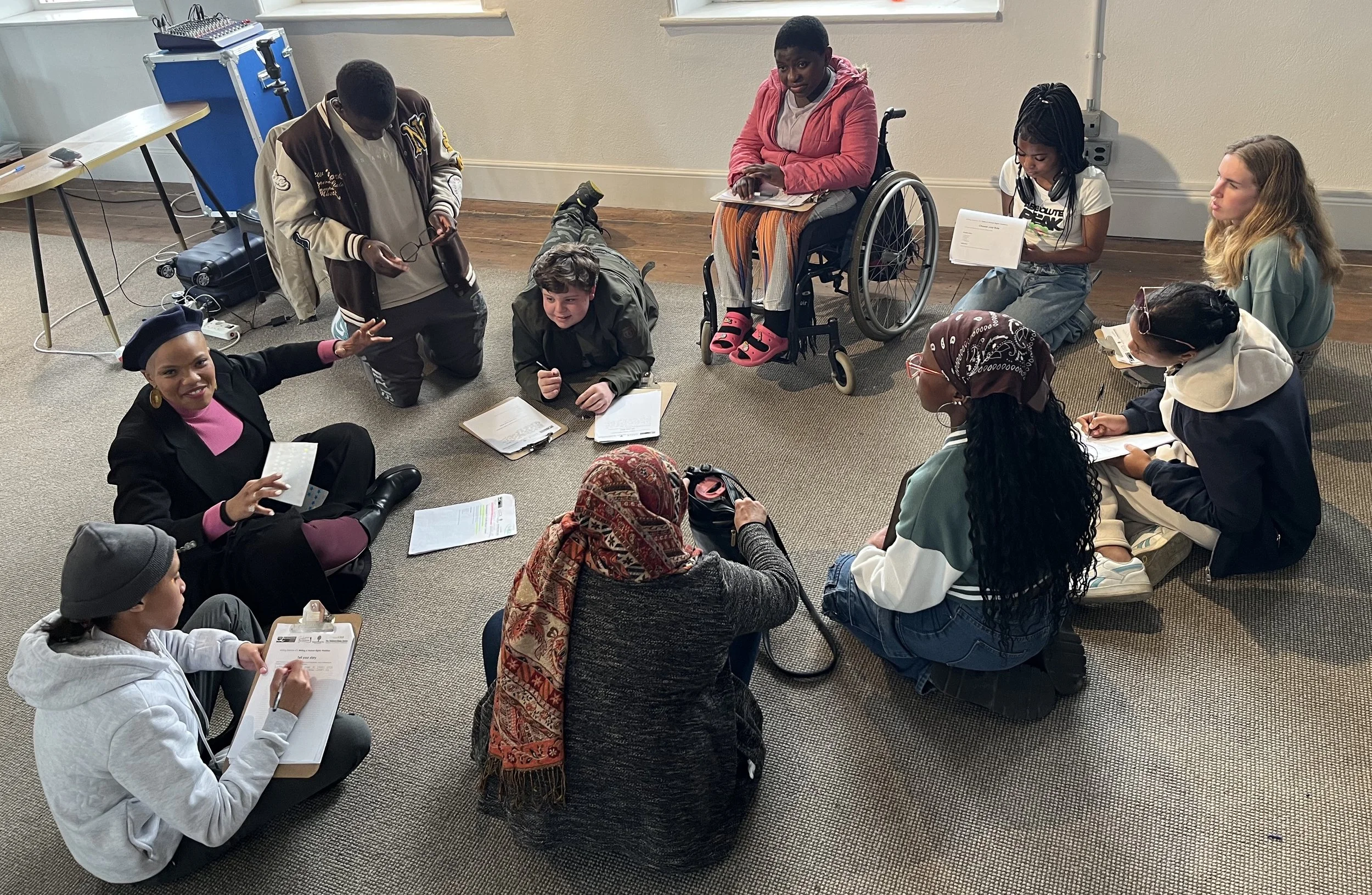
Devising scenes (Cape Town)
Playing roles
Tshabalala and Amato identified key speeches from The Merchant of Venice, Macbeth, King Lear, Sir Thomas More and Measure for Measure that would inform their work as facilitators. They developed a resource pack for the learners, tackling difficult topics and inviting written and performed responses. Participants were asked to consider the different roles that are entailed in human rights violations (perpetrator, bystander, collaborator, rescuer, resister) and to imagine scenarios or recall historical examples of individuals or groups opposing abuse, challenging authority, fighting for freedom or demonstrating forgiveness. Special attention was paid to the power of language either to liberate or to oppress, and the workshops also emphasised that Shakespeare’s words are performed in many languages - adapted, updated and translated.
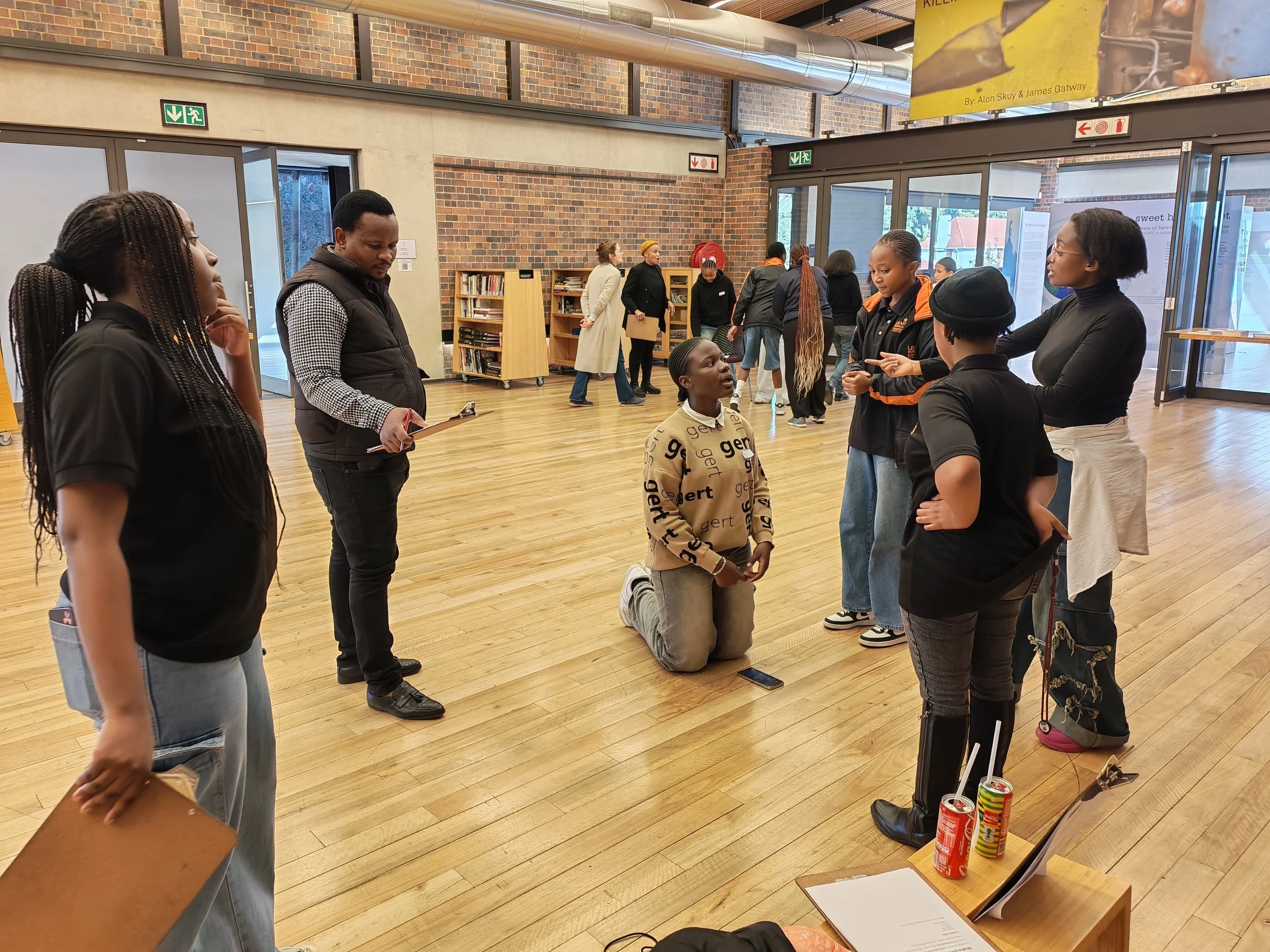
Rehearsal! (Joburg)
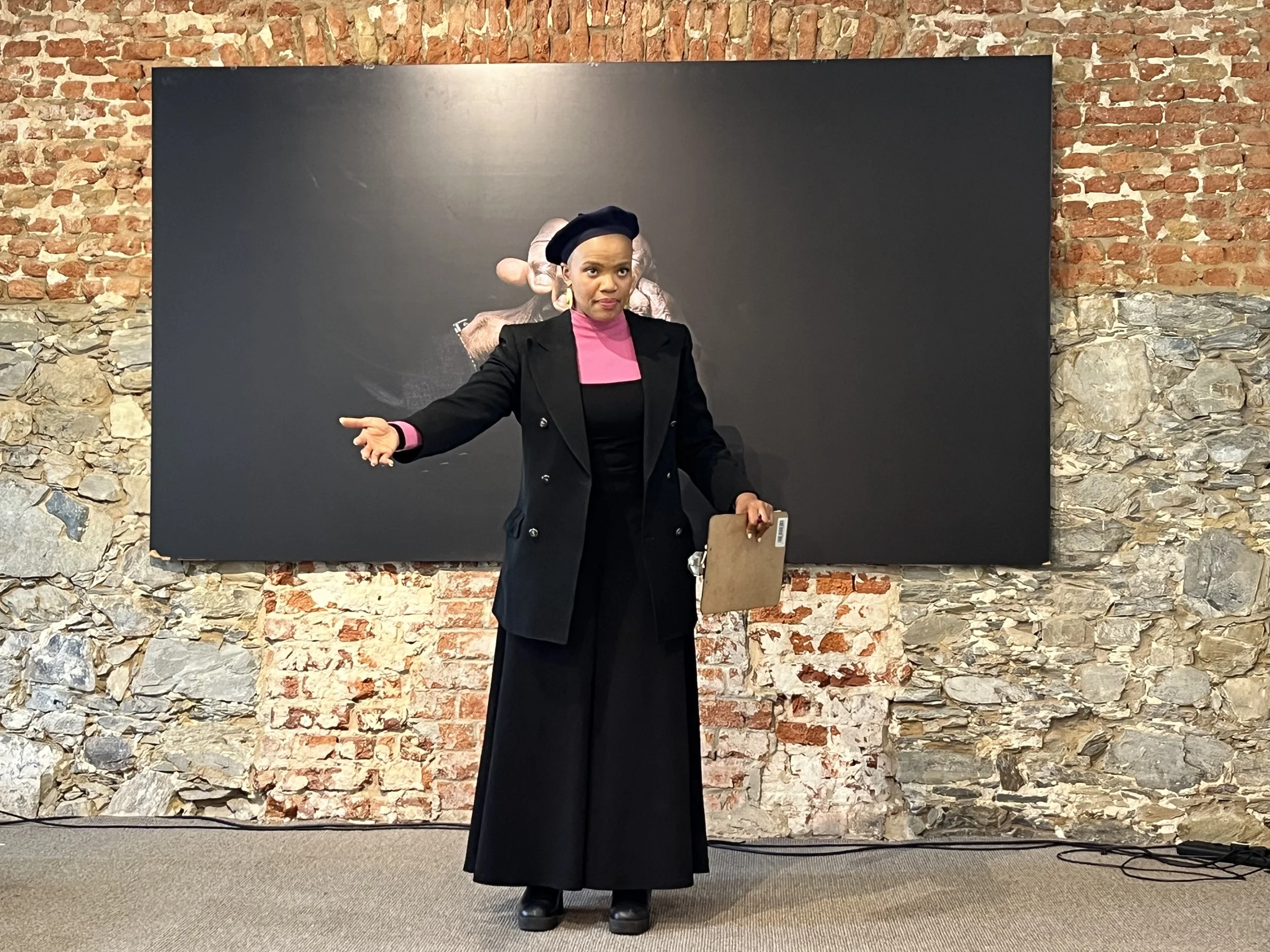
Kensiwe Tshabalala as MC introduces the performers (Cape Town)
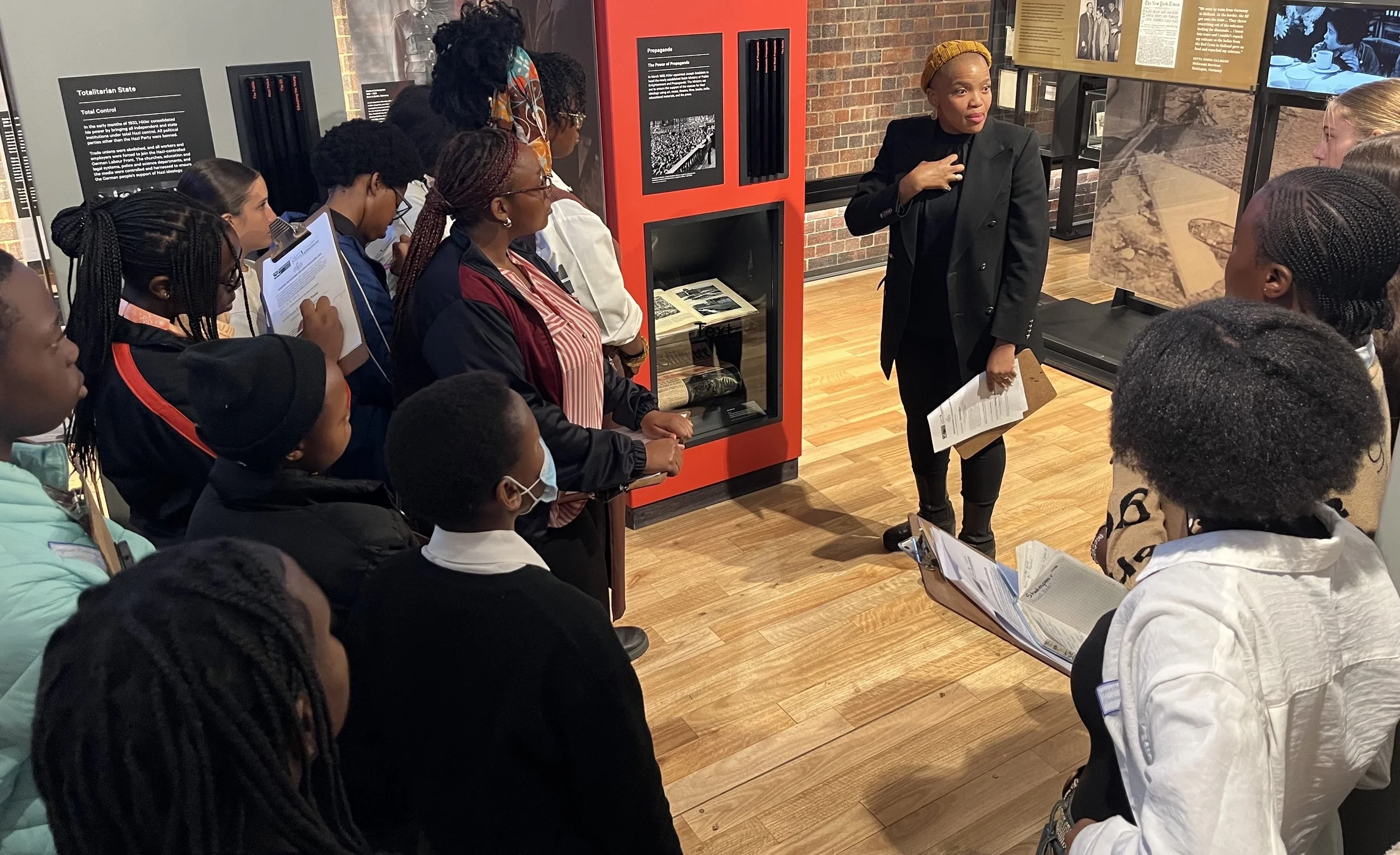
Kensiwe Tshabalala and learners in the JHGC exhibition
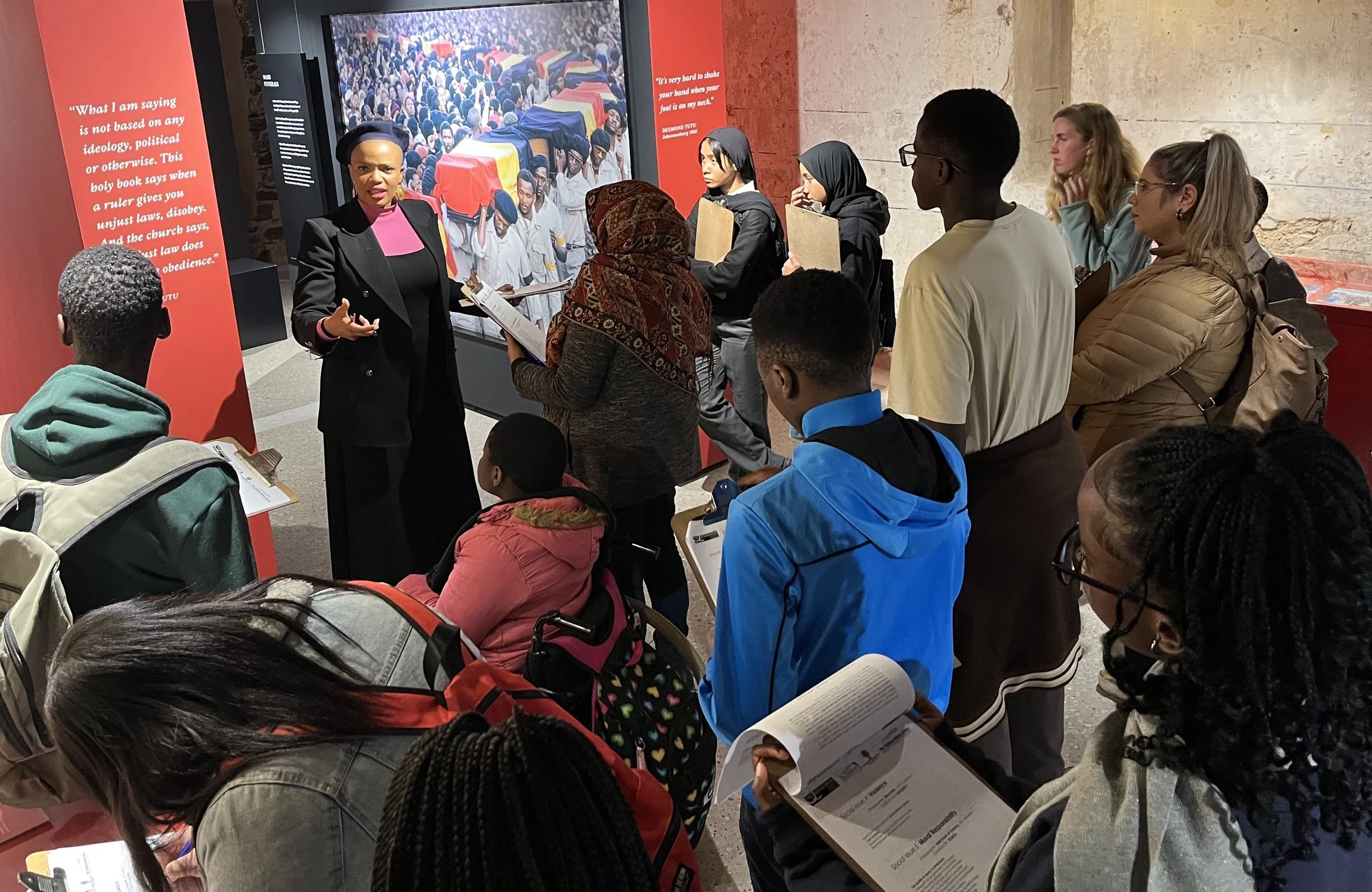
Kensiwe Tshabalala and learners in the “Truth to Power” exhibition
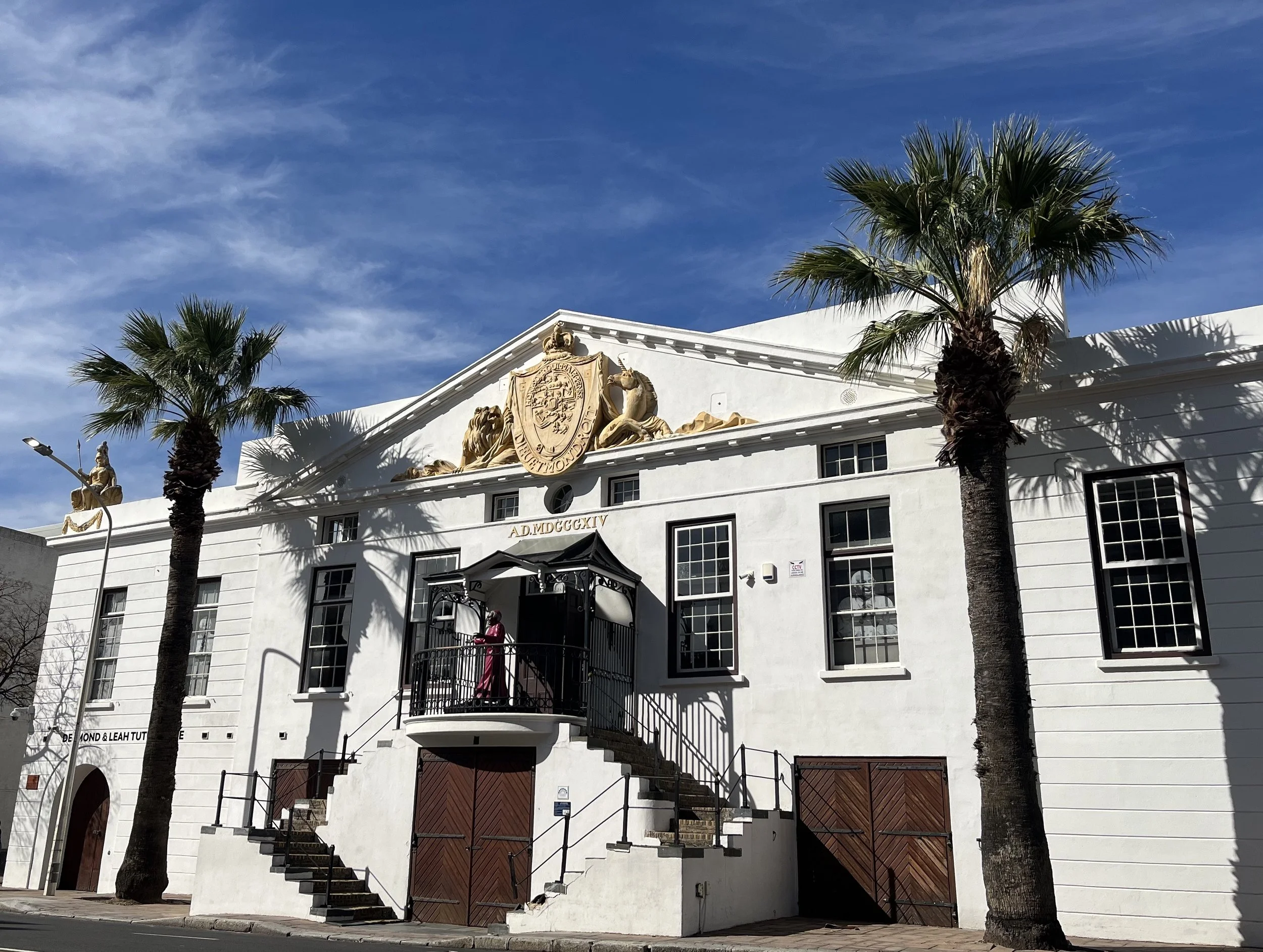
The Old Granary Building, home of the Desmond and Leah Tutu Legacy Foundation
Locations and participants
The Joburg event was held at the Johannesburg Holocaust and Genocide Centre, and workshop participants started the day with a guided tour of the JHGC’s permanent exhibition, learning more about the Holocaust in Europe as well as the Rwandan genocide.
In Cape Town, Shakespeare NonScenes was hosted by the Desmond and Leah Tutu Legacy Foundation, enabling a shift in focus not only to the life and work of “The Arch” but also to the history of apartheid, as well as the complexities of restorative justice and reconciliation in post-apartheid South Africa. Learners encountered the powerful exhibition materials displayed in “Truth to Power: Desmond Tutu and the churches in the struggle against apartheid”.
Tshabalala’s facilitation of the Cape Town workshop was further informed by her experience of performing in the play Under the Shade of a Tree I Sat and Wept, which marks the 30th anniversary of the first Truth and Reconciliation Commission hearings chaired by Bishop Tutu.
The participating schools at the Johannesburg event were LEAP (Alexandra), Assumption Convent (Germiston) and Masibambane College (Orange Farm). In Cape Town, learners came from Rosendaal Secondary School (Delft), Fairmount Senior (Parkwood), Ocean View Secondary, Paarl School (Brackenfell), Nature Lore (Noordhoek) and Lalela (Hout Bay).
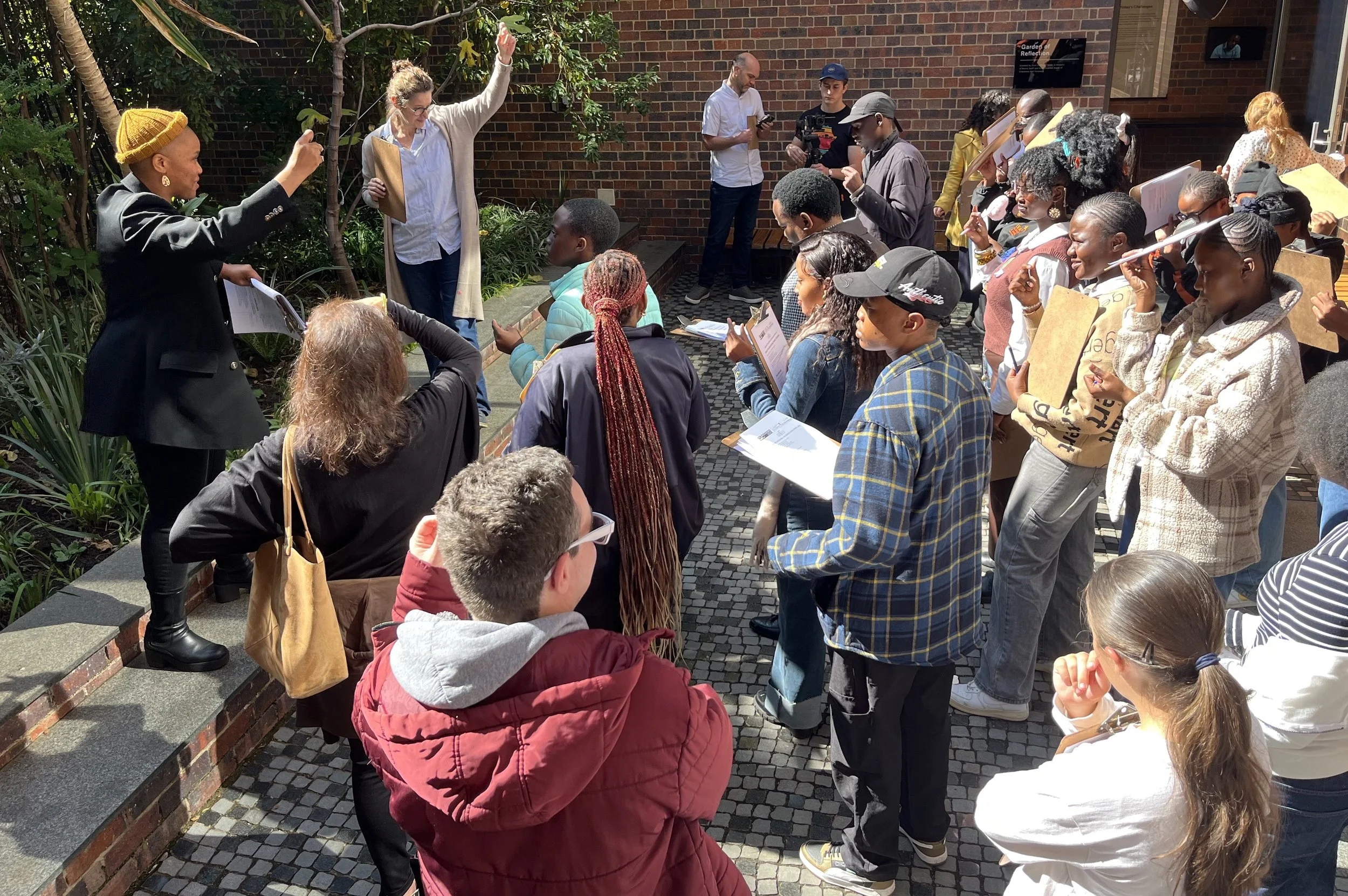
Snaps! (Joburg)
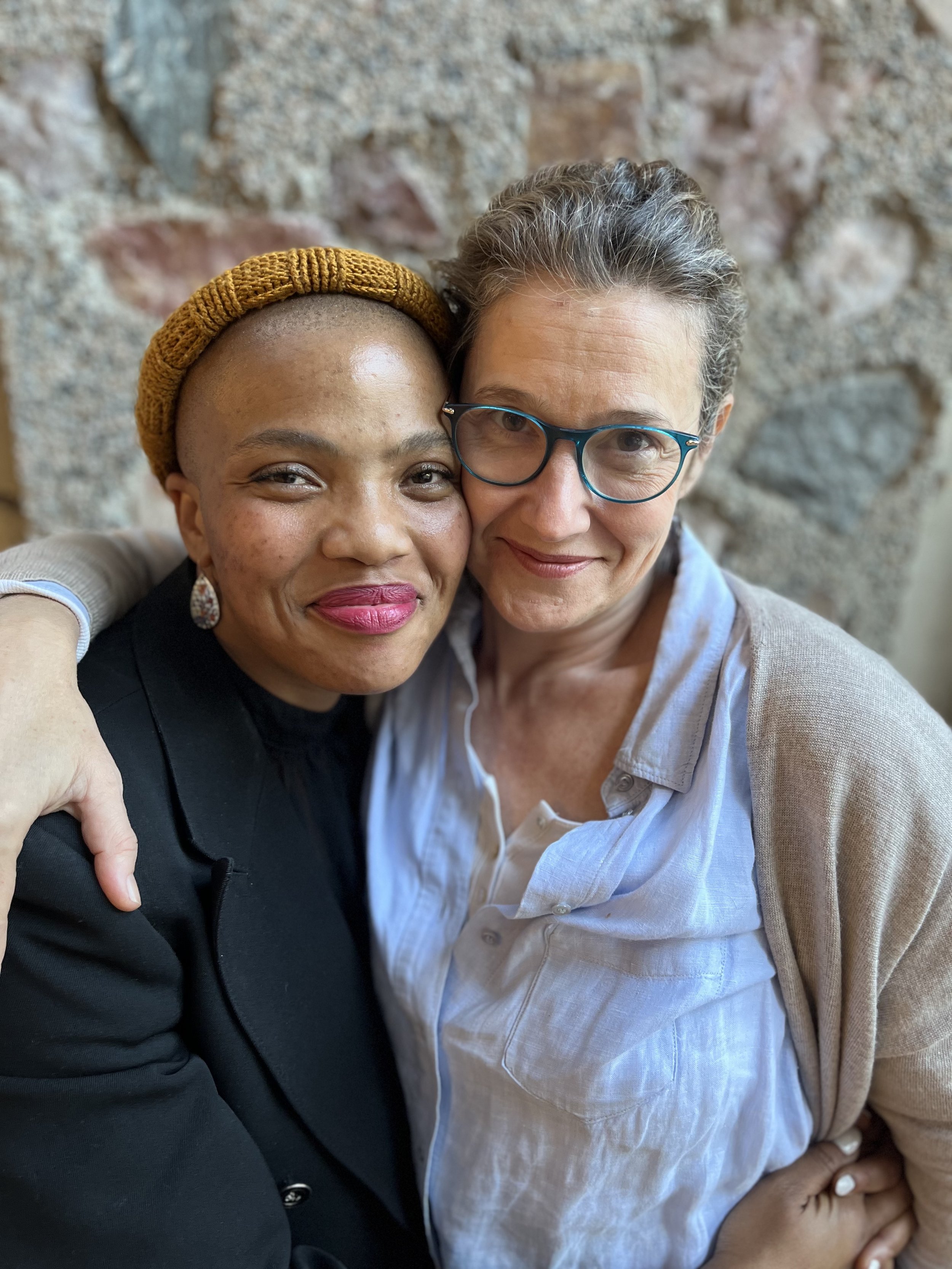
Fantastic facilitators: Kensiwe Tshabalala and Bianca Amato of The Quickening Theatre Company
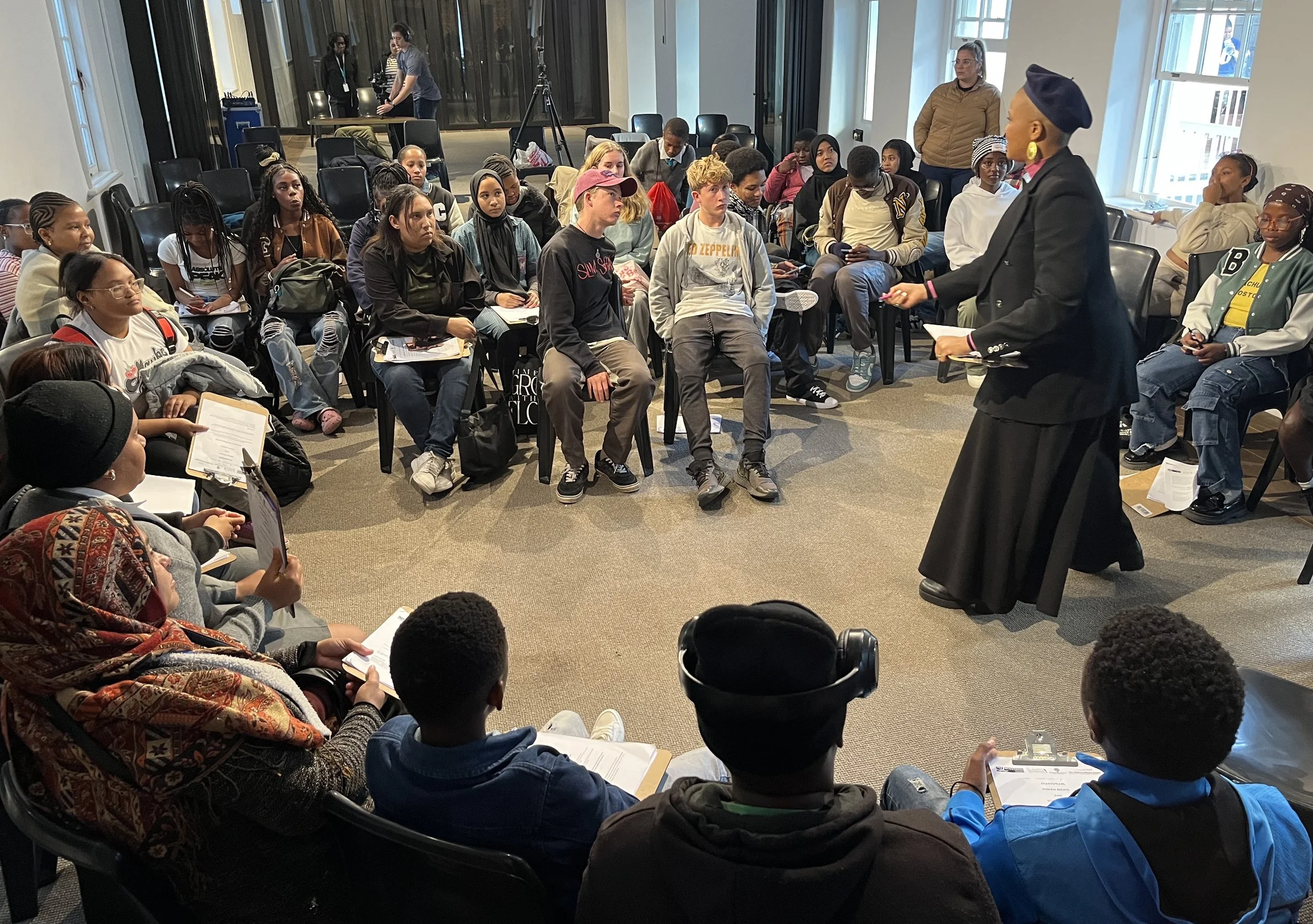
Debriefing after performances (Cape Town)
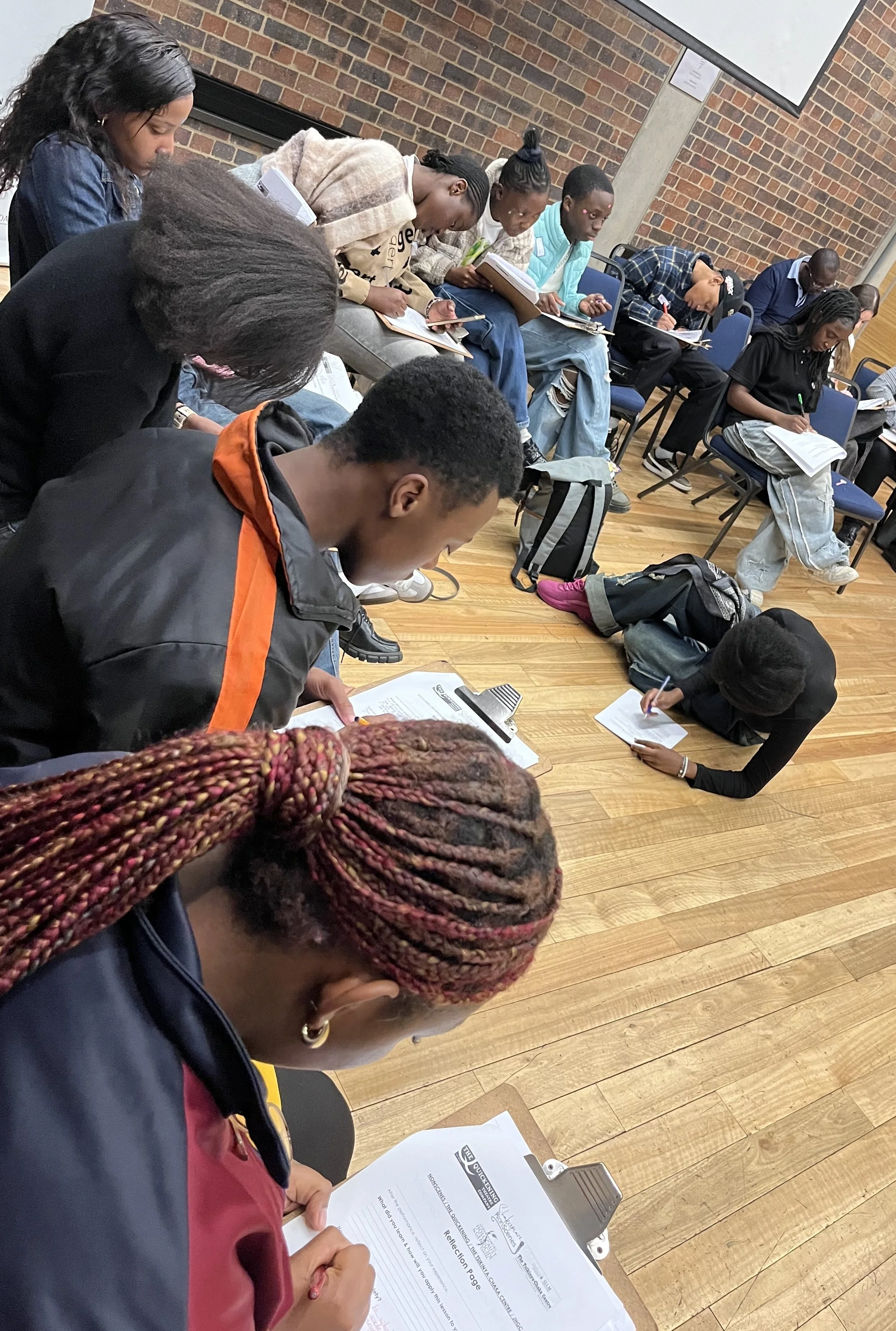
Feedback and reflections (Joburg)
Learn more
Watch this short video about Shakespeare NonScenes 2026 produced by Thys Pieterse!
* The Shakespeare NonScenes workshops were supported by the Liverpool John Moores University’s Faculty of Society and Cultures Research Development Fund and the National Research Foundation (South Africa).