Postcolonial Shakespeares and the Percy Baneshik Lecture
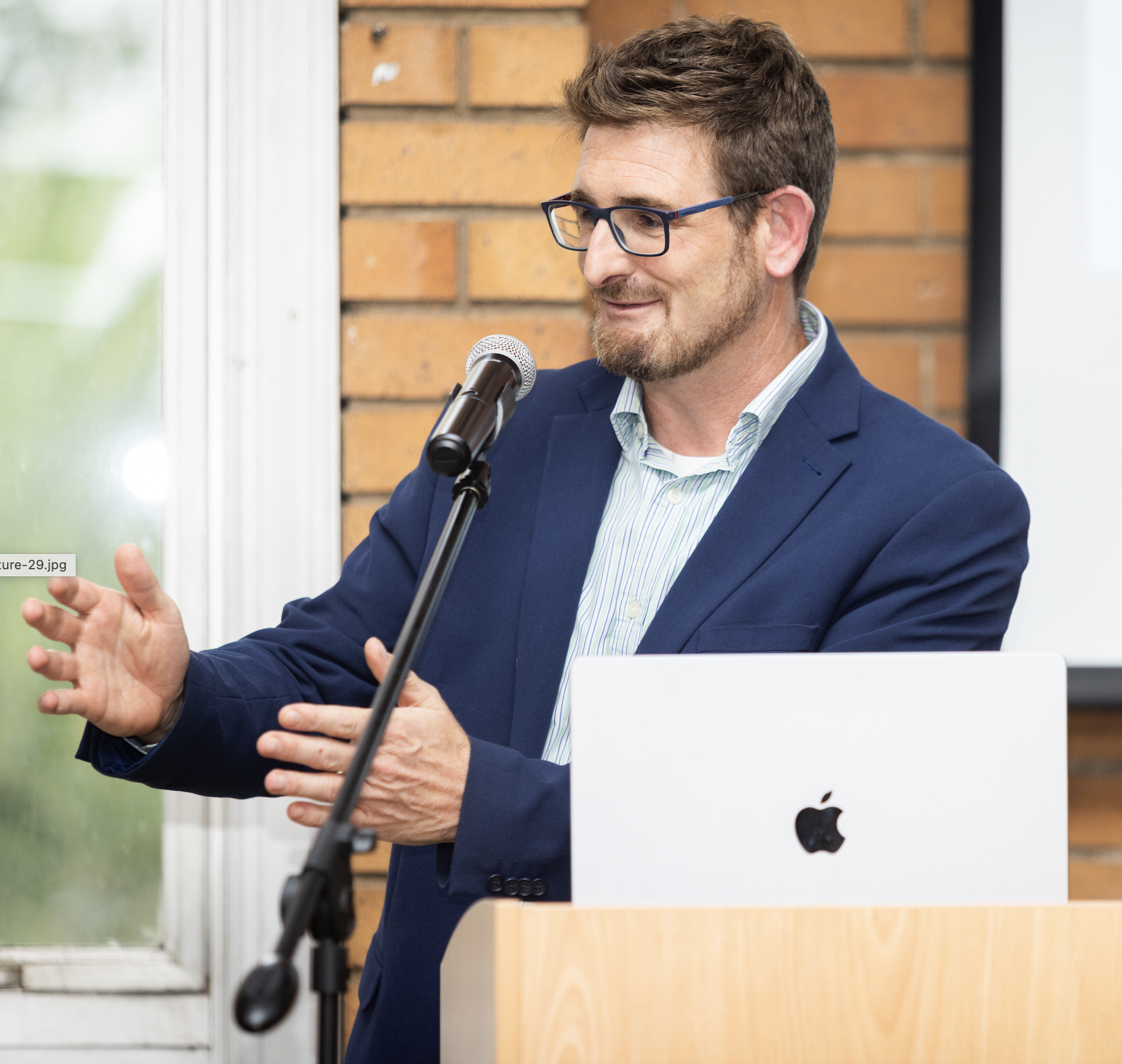
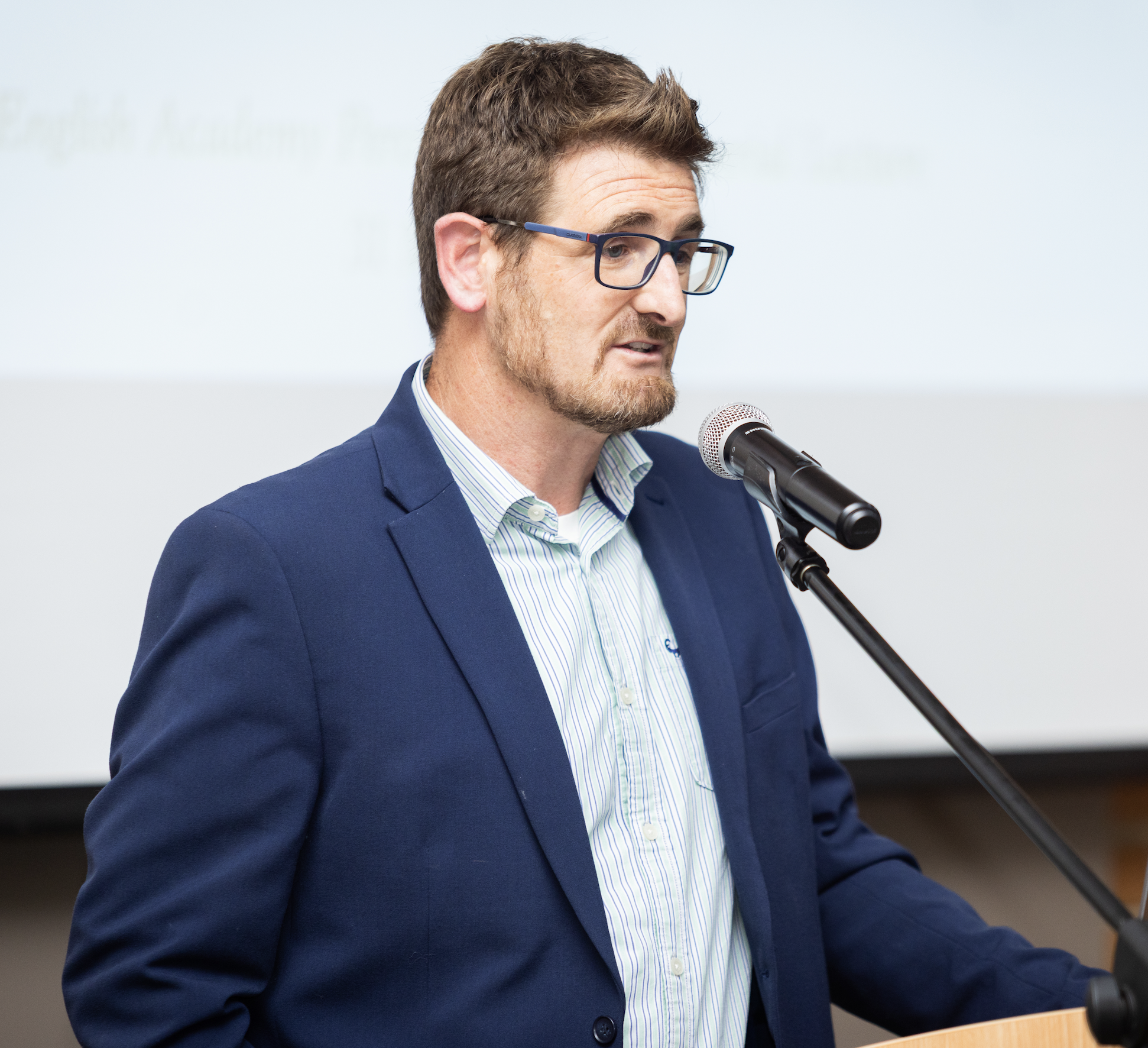
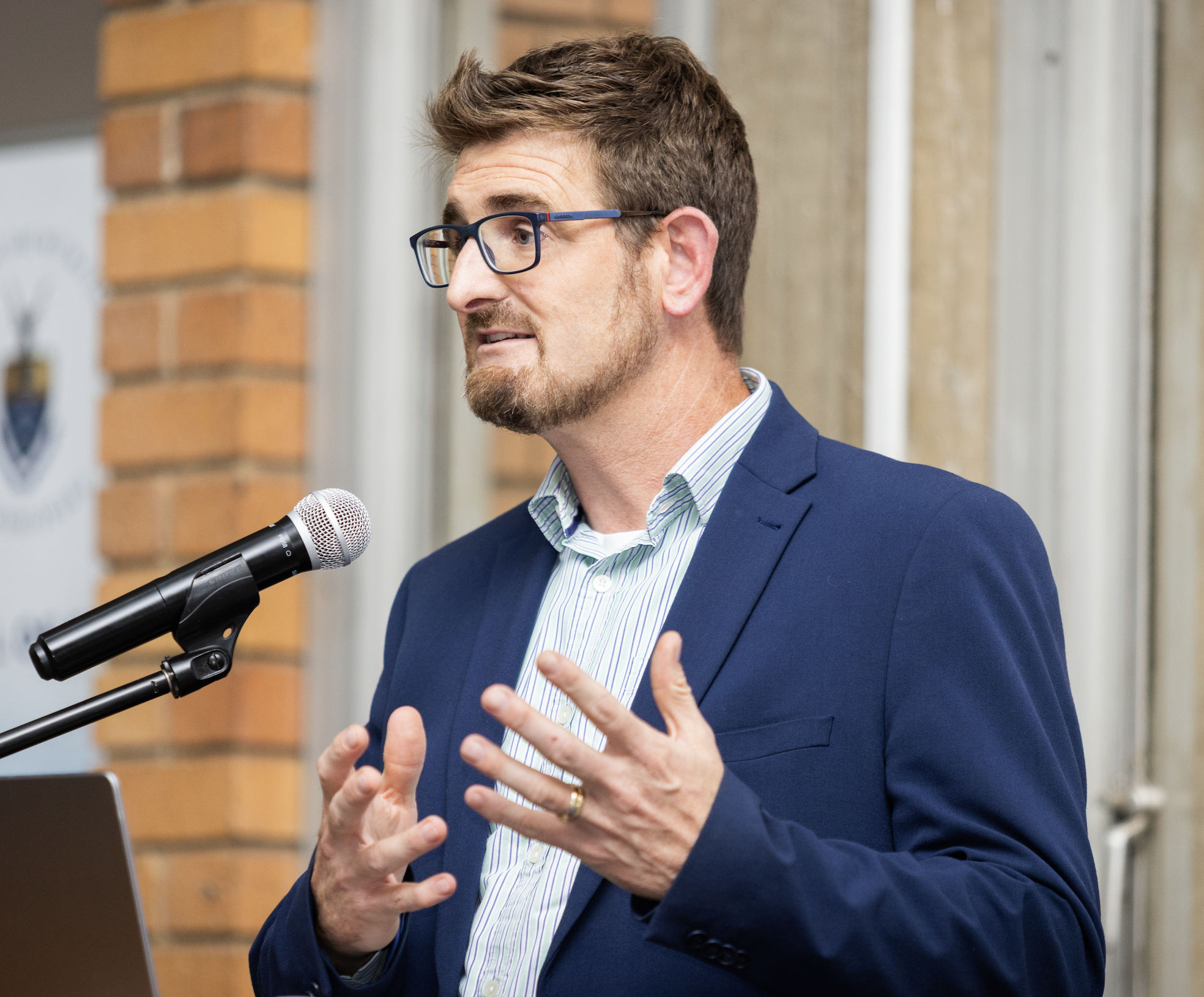
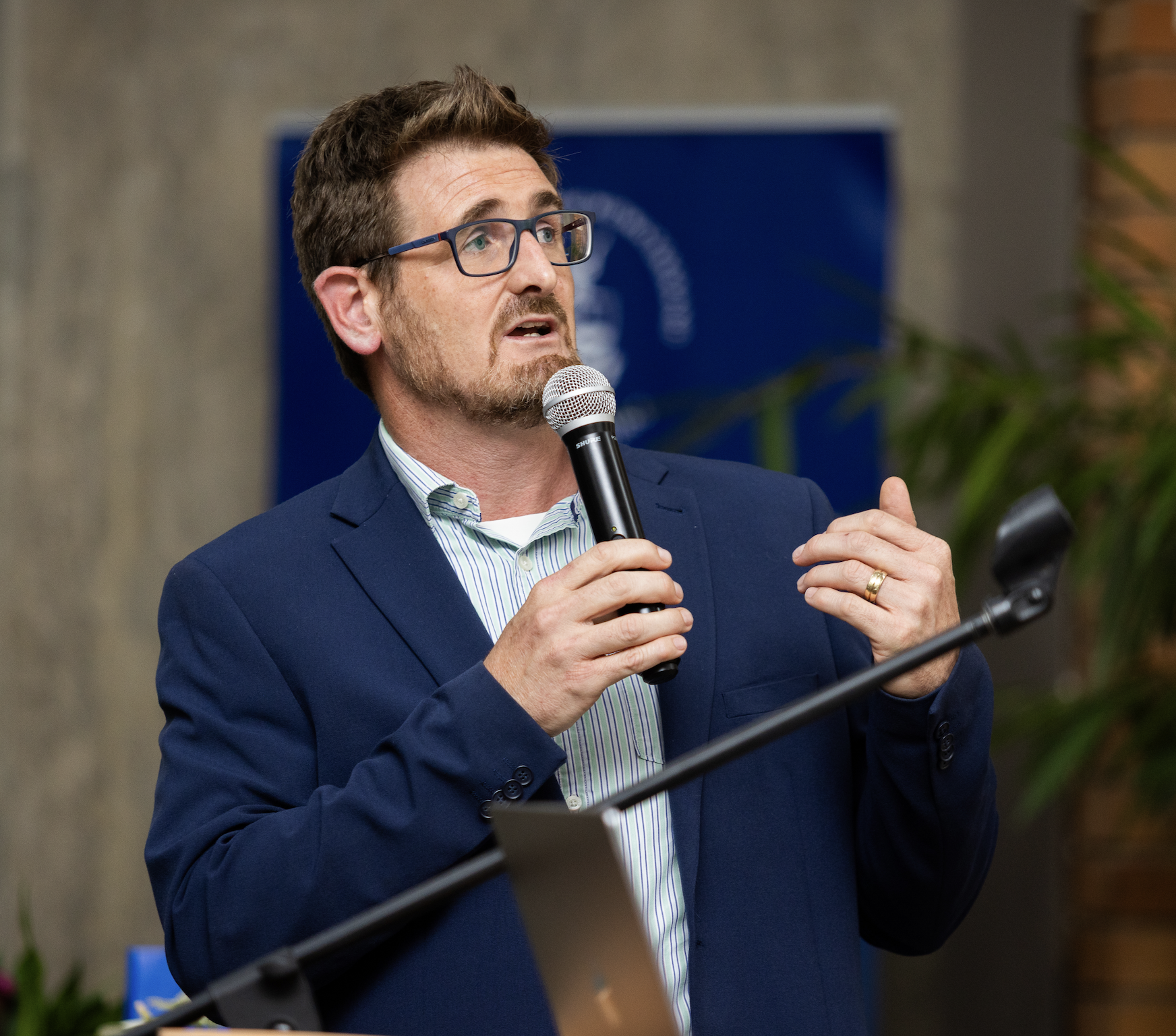
The Tsikinya-Chaka Centre was well represented at a seminar on “Postcolonial Shakespeares” that formed part of the recent Shakespeare Association of America (SAA) Annual Meeting. This year’s conference took place in Denver from 1-4 April, but the seminar’s hybrid format allowed delegates from various countries to participate virtually - an arrangement that was fortuitous for TCC Director Chris Thurman, who was in Johannesburg to deliver the English Academy of Southern Africa’s Percy Baneshik Memorial Lecture.

Amrita Dhar
TCC affiliate Amrita Dhar convened the “Postcolonial Shakespeares” seminar at SAA to encourage the dissemination and discussion of new scholarship on Shakespeare in relation to colonial histories and legacies, exploring creative adaptation, community work and pedagogy from around the world and asking: “How do the conditions of post-coloniality (the temporal after of empire) and the critical stance of postcoloniality (the resistance to empire) inform engagements with Shakespeare? How do postcolonials write Shakespeare - in films, plays, novels, lesson plans - and why? How do postcolonial and post-colonial identities get raced, gendered, and abled/disabled in engagements with Shakespeare?”
Papers presented by Charmaine Cordero, Abhishek Sarkar, Erin Rose Grant, Willow White, Julie Thompson, Jahidul Alam, Ira Sen and Emily Glider covered topics ranging from Shakespeare in Indian film to Chicanx adaptations of the plays and from Shakespeare in the Ottoman empire to Turtle Island/Canada. Dhar invited fellow TCC affiliates Kathryn Vomero Santos, Amrita Sen and Ifeoluwa Aboluwade, along with Chris Thurman, to act as respondents to these papers.

Kathryn Vomero Santos
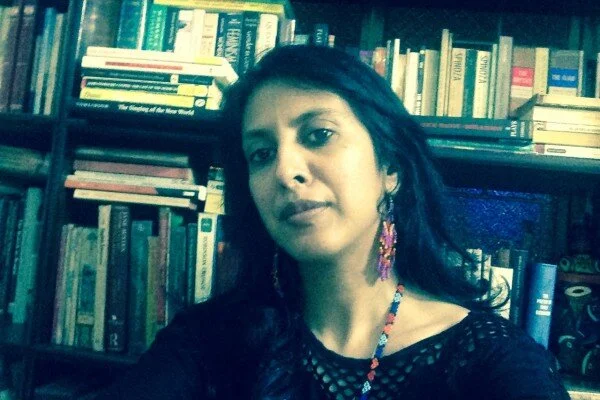
Amrita Sen

Ifeoluwa Aboluwade
After a stimulating discussion, the seminar concluded with further questions troubling the terminology of postcolonialism itself: What is the valency of “postcoloniality”? What is its relationship to de- or anti-coloniality? Who, what and where may be considered “post”colonial?
This year’s SAA awards also brought plaudits to various TCC affiliates. Dhar and Sen won the SAA Innovative Article Award for their article, “Two Nations, Both Alike: Shakespeare in Bengal” (Borrowers and Lenders 16.1), with Vomero Santos’ “‘Th’oppressor’s wrong,’ or What’s Hamlet to the Borderlands?” (Latino Studies 24) one of the runners-up in this category. Dhar also received an Honorable Mention for the Barbara Hodgdon Award (for outstanding scholarship in the field of Shakespeare and Performance) for her chapter on Othello, race and disability in the Oxford Handbook of Shakespeare and Race.

Alexa Alice Joubin
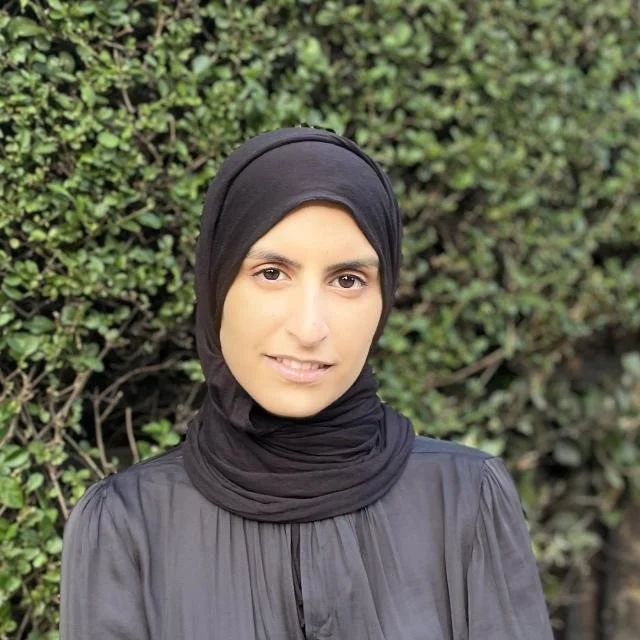
Hassana Moosa
The Hodgdon Award went to another TCC affiliate, Alexa Alice Joubin, for her editor’s introduction to Contemporary Readings in Global Performances of Shakespeare. In addition, Joubin was given an Honorable Mention in the Shakespeare Publics category for her Screening Shakespeare open-access film course.
Finally, TCC affiliate Hassana Moosa of the University of Cape Town was announced as the winner of the 2026 SAA-Folger Fellowship. She will spend a one-month residency at the Folger Shakespeare Library in Washington, D.C. conducting research on her project “Rehearsing Bondage: Performing Racial Slavery on the English Stage (1550-1670)”.
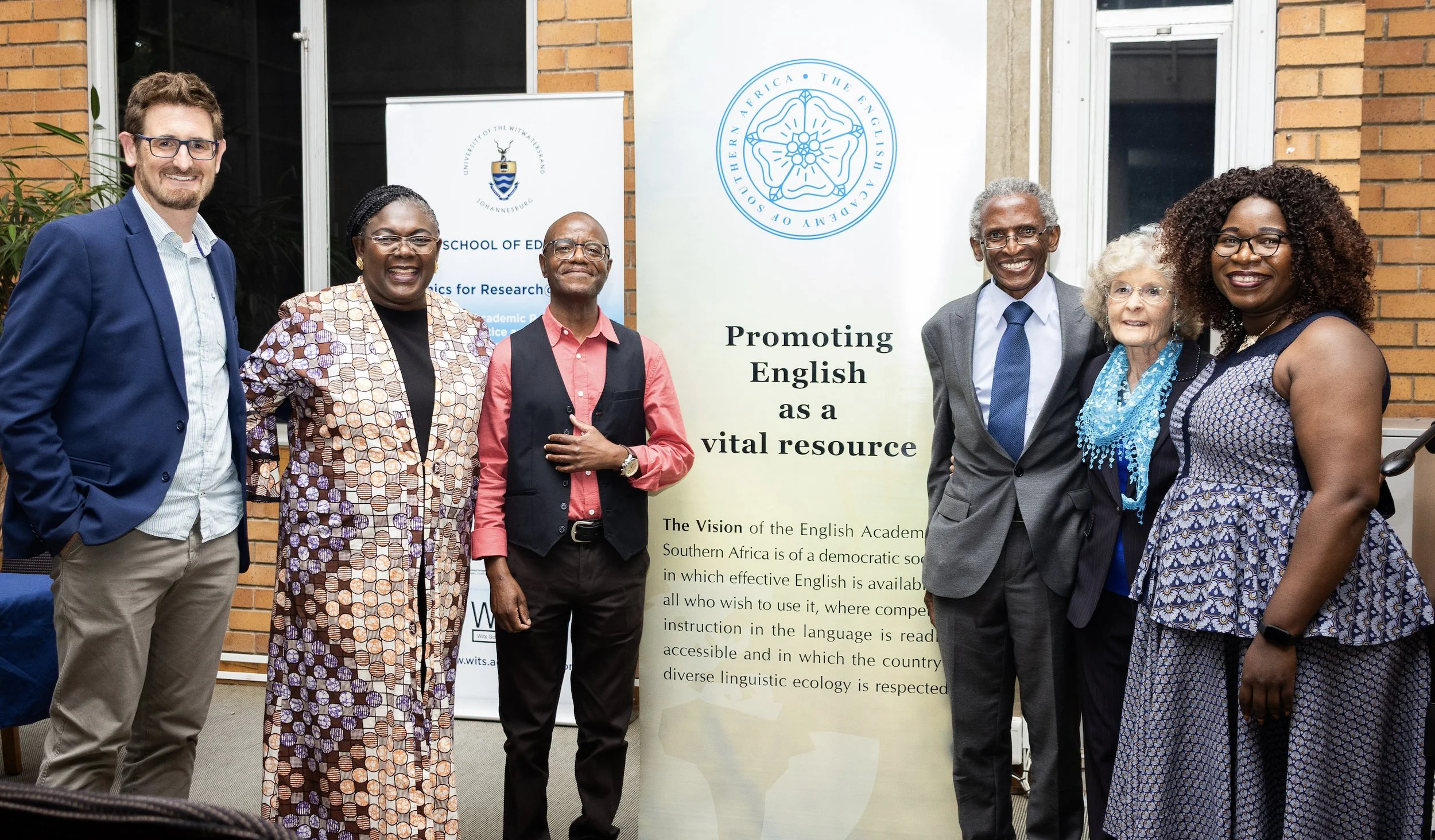
(L-R): Chris Thurman, Josephine Alexander, Owen Seda, Mbongeni Malaba, Rosemary Gray, Naomi Nkealah
The English Academy of Southern Africa’s annual Percy Baneshik Memorial Lecture honours the life and work of broadcaster, arts critic and playwright Percy Baneshik. This year’s event, organised by Naomi Nkealah of the Wits School of Education, was held on 31 March and also included the award of the Academy’s prestigious Gold Medal to Mbongeni Malaba (University of KwaZulu-Natal) for his outstanding service to English over a lifetime.
Chris Thurman was invited to give the lecture, which he titled “Back to the Future: ‘English’ relearning its ABCs”. He began by invoking some previous lectures and discussing ‘English’ – as an academic subject, as a scholarly field and as a spur to creative practice – along with the language of English (or Englishes) in multilingual contexts and in the age of Large Language Models. He then turned to aspects of Percy Baneshik’s career, especially his work as an arts critic and as a radio broadcaster, before concluding on a South African Shakespearean note that brought together the disparate strands of multilingualism, radio, criticism, playscripts, Artificial Intelligence and creativity.
Lolu Agbede wrote this account for the Academy:
In a lecture that was both reflective and deliberately probing, Chris Thurman revisited a question that often goes unexamined in the discipline: “When we say that we teach English or we study English – why do we do it?”
This question framed the lecture’s broader concern with English as an academic field that must continually account for itself, particularly within a multilingual South African context. Moving between school and university settings, Thurman drew attention to how ‘English’ operates across these spaces, not as a singular or stable entity, but as a set of practices shaped by history, policy, and lived linguistic realities. His emphasis on ‘Englishes’ underscored this plurality, while also pointing to the tensions between English as a language of access and its role in processes of marginalisation.
Engaging with earlier debates in South African literary and educational discourse, the lecture traced longstanding disagreements about the place of English alongside African languages, especially in relation to learning and cultural production. Rather than attempting to resolve these debates, Thurman positioned them as ongoing and constitutive of the field, requiring continued critical attention.
A key moment in the lecture was the turn to Artificial Intelligence. Here, Thurman resisted both celebratory and alarmist positions, instead framing AI as a moment of disciplinary pressure, one that compels reflection on the purpose and value of English studies. As he noted, “By crisis, I don’t mean gloom or doom. I mean a spur towards reflection as a necessary reckoning, forcing us to ask once again what we do as English teachers and scholars.”
In this sense, AI becomes less an external threat than a catalyst for reconsidering what English studies offers. Professor Thurman returned to the idea of criticism, not simply as evaluative practice, but as a mode of critical engagement tied to interpretation, judgment and intellectual independence. Drawing on Percy Baneshik’s work as a critic and broadcaster in the South African media world of his time, he suggested that criticism remains most meaningful when it is closely connected to creative practice and public discourse.
The lecture concluded with a turn to Shakespeare in South Africa, particularly through examples of translation and performance, such as K.E. Masinga’s isiZulu adaptation of Julius Caesar. These examples highlighted alternative ways of engaging with canonical texts, ways that are multilingual, locally situated and creatively generative. Rather than recovering the past for its own sake, Thurman used these instances to gesture towards possible futures for English studies.
Overall, the lecture did not offer a single resolution, but rather a set of questions and directions. It reaffirmed the importance of critical thinking and creativity, while also challenging the discipline to rethink its assumptions in light of changing technological and linguistic conditions.
* The text of Thurman’s lecture will be published in a future issue of the journal English Studies in Africa.