
A new production of Charles Gounod’s opera Roméo et Juliette opening later this month in Cape Town presents an opportunity to reflect on Shakespeare, the French language and (South) Africa.
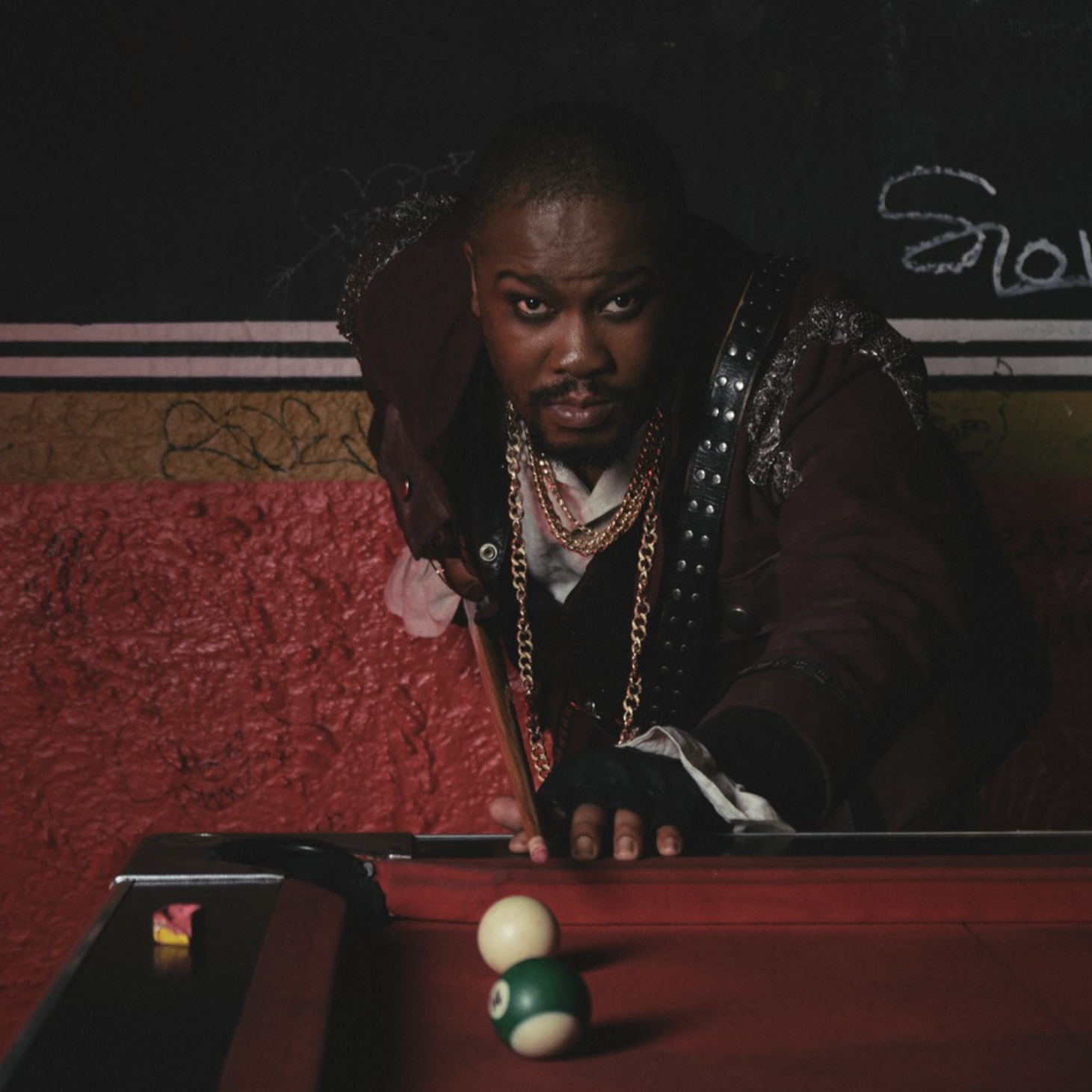
Lukhanyo Moyake is Roméo in Cape Town Opera’s Roméo et Juliette

Brittany Smith is Juliette in Cape Town Opera’s Roméo et Juliette
The relationship between Shakespeare and French is – well, complicated. Voltaire famously fell in love with Shakespeare’s plays when he was living in exile in England in the 1720s . . . and then fell out of love with them as they became more popular in France (thanks in part to Voltaire’s own early enthusiasm, and to the translations of Letourner and De la Place). For Voltaire, Shakespeare’s failure to observe the classical unities – among other shortcomings – meant that he was an inferior playwright to French neoclassicists such as Jean Racine.
In the nineteenth century, the likes of Victor Hugo and his son, François-Victor, gave Shakespeare a boost among French readers and audiences – helped by the popularity of adaptations like Charles Gounod’s opera Roméo et Juliette, which premiered in Paris in 1867 and was performed hundreds of times over the next few decades. By the early years of the twentieth century, Shakespeare was a fixture on the French stage and his plays became widely translated.

Aimé Césaire
A landmark tradaptation (translation-adaptation) of Shakespeare is Aimé Césaire’s Une Tempête (1969), which signalled the anti-colonial possibilities of engaging with Shakespeare’s plays, and The Tempest in particular. When Césaire was born in Martinique in 1913, the Caribbean island was still a French colony. As a student in Paris some twenty years later, he was one of the founders of the Négritude movement that would become an influential force in pan-Africanist thought and in the decolonisation of Francophone Africa. Another central figure in this regard was fellow-Martinican Frantz Fanon, who had himself been drawn into debates about using the coloniser/colonised dynamic in The Tempest as a paradigm for analysing the African or African-diasporic experience.
Perhaps for this reason, Une Tempête is often recruited into histories of “African” responses to Shakespeare. But while there were dozens of translations of Shakespeare’s plays into African languages produced across the continent over the course of the twentieth century, there were surprisingly few translations or adaptations by Francophone African writers.
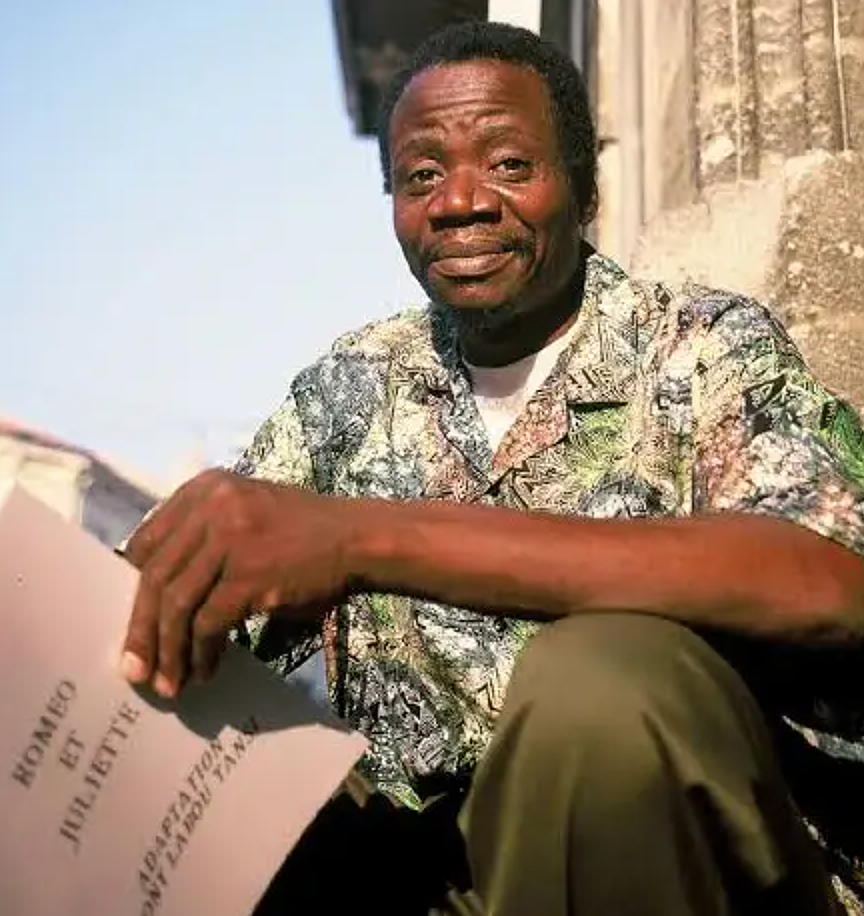
Sony Labou Tansi
A notable example is Congolese playwright Sony Labou Tansi’s La Résurrection Rouge et Blanche de Roméo et Juliette, first performed and published in 1990. This version veers quite far from Shakespeare’s play and is, as Rebekah Bale describes it, “a means to interrogate a society that focuses on the political fetishization of violent dictatorships and nihilistic choices”. Bale adds that “Sony’s work also requires the audience / reader to consider the necessity of theatre and, by extension, the power under which it operates”.
A further complication is that Tansi’s Roméo et Juliette is set in South Africa – which, at the time that he was writing the play, had slowly begun a transition from apartheid to democracy. Virginia Coulon argues that Tansi sought not only to critique South Africa’s political situation but to comment, primarily albeit obliquely, on the oppressive conditions in what was then the Republic of Congo. Almost forty years after Tansi began writing the play, its transnational dynamics suggest a provocative challenge to resurgent Afriphobic and xenophobic discourses in South Africa today.
Although the play received further attention in 2015, during commemorations of the twentieth anniversary of Tansi’s death, it remains a somewhat neglected work. But watch this space: Wits University English and French major Hanna Resnick, having first encountered the text as an undergraduate student, seeks to build on Bale and Coulon’s scholarship as a postgraduate researcher.
Tansi’s Romeo et Juliette is set in Johannesburg, but an exciting new production of Gounod’s Roméo et Juliette set in Cape Town will be onstage at Artscape from 18-29 November. Cape Town Opera promises a “daring reimagining” of Shakespeare’s play: in a “decaying society”, “Renaissance romance collides with gritty urban Cape Town . . . graffiti-covered streets, a glamorous penthouse nightclub in place of a ballroom, and the colourful houses of the Bo-Kaap setting the scene for that iconic balcony moment . . .”


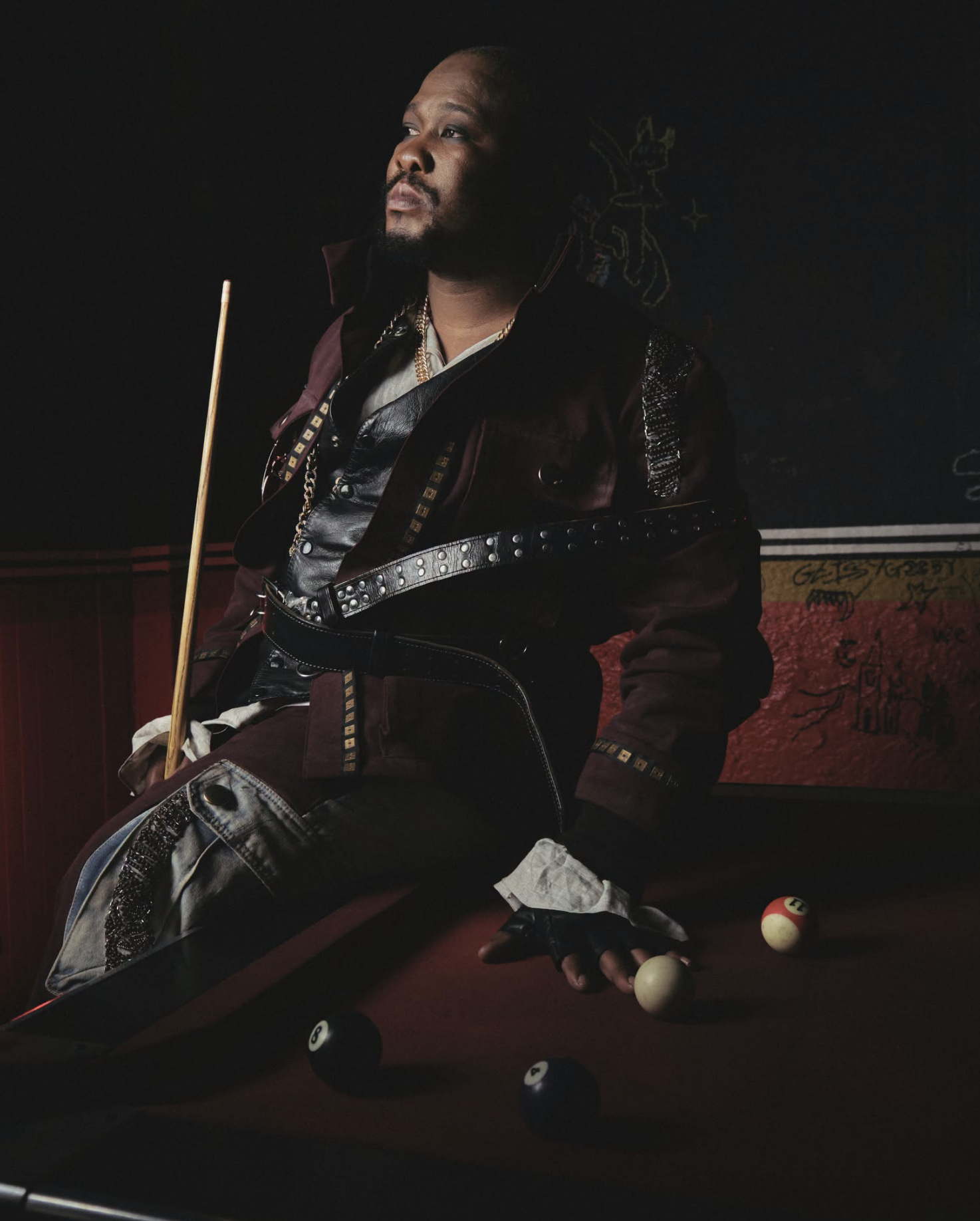
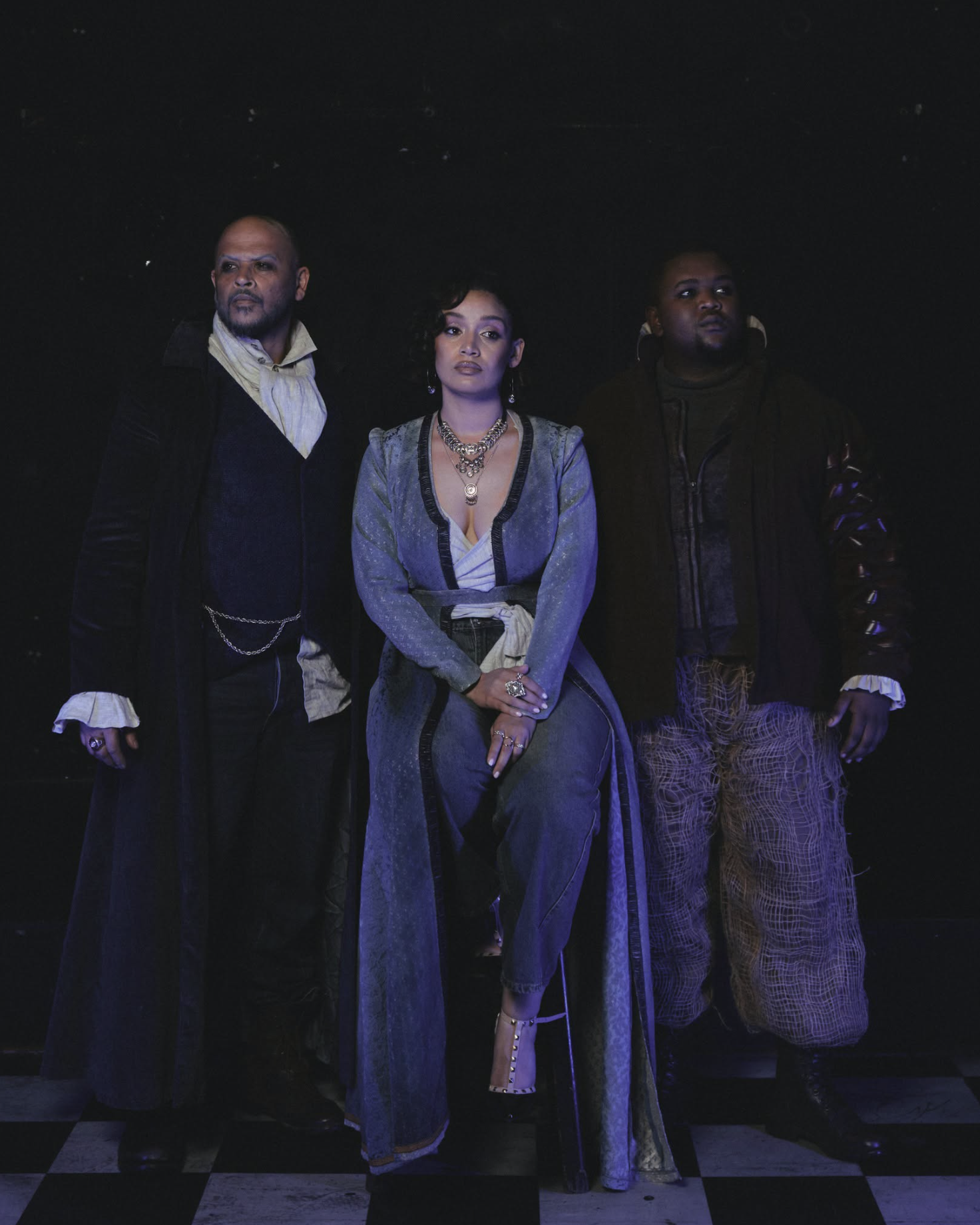
Directed by Marcus Desando, Roméo et Juliette features Brittany Smith as Juliette and Lukhanyo Moyake as Roméo, with Nonhlanhla Yende as Gertrude (the Nurse) and Conroy Scott as Capulet, Nica Reinke as Stéphano (Roméo’s Page), Dumisa Masoka as Benvolio, Msimelelo Mbali as Frère Laurent, Thandolwethu Longo as Tybalt and Riaan Hunter as Mercutio.
Tickets can be purchased via Webtickets.